


- Afhalen na 1 uur in een winkel met voorraad
- Gratis thuislevering in België vanaf € 30
- Ruim aanbod met 7 miljoen producten
- Afhalen na 1 uur in een winkel met voorraad
- Gratis thuislevering in België vanaf € 30
- Ruim aanbod met 7 miljoen producten





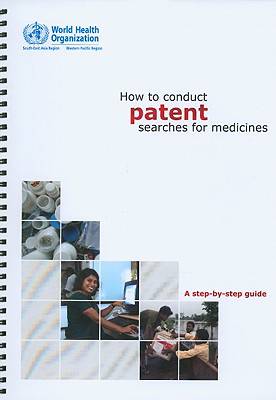
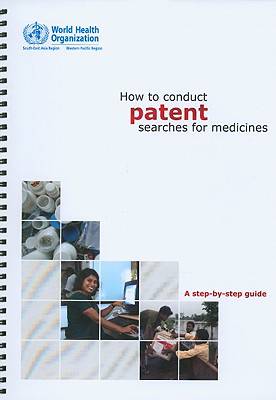
How to Conduct Patent Searches for Medicines
A Step-By-Step Guide
Who Regional Office for South-East Asia
Met spiraalrug | Engels
€ 18,45
+ 36 punten
Omschrijving
Agencies that procure medicines are increasingly faced with questions about the patent status of pharmaceutical products. This is important because these agencies have a responsibility to use their budgets efficiently (for example by procuring generic medicines), but do not want to infringe on intellectual property rights.
Many organizations involved in medicines procurement have limited knowledge of and little experience in establishing whether a particular medicine is under patent in a particular country. This guide describes a step-by-step approach to locating information about patents on medicines, which, though not easily found, is often available on the Internet. Concrete examples are given of how to trace, through the various online databases, whether a patent has been applied for, granted, refused or revoked. Suggestions are also provided for using Internet sources to obtain data (such as priority dates) that can facilitate efforts to identify relevant patents through more traditional means, such as patent office gazettes.
Many organizations involved in medicines procurement have limited knowledge of and little experience in establishing whether a particular medicine is under patent in a particular country. This guide describes a step-by-step approach to locating information about patents on medicines, which, though not easily found, is often available on the Internet. Concrete examples are given of how to trace, through the various online databases, whether a patent has been applied for, granted, refused or revoked. Suggestions are also provided for using Internet sources to obtain data (such as priority dates) that can facilitate efforts to identify relevant patents through more traditional means, such as patent office gazettes.
Specificaties
Betrokkenen
- Auteur(s):
- Uitgeverij:
Inhoud
- Aantal bladzijden:
- 115
- Taal:
- Engels
Eigenschappen
- Productcode (EAN):
- 9789290223757
- Verschijningsdatum:
- 21/09/2010
- Uitvoering:
- Met spiraalrug
- Afmetingen:
- 206 mm x 292 mm
- Gewicht:
- 498 g


Alleen bij Standaard Boekhandel
+ 36 punten op je klantenkaart van Standaard Boekhandel

Beoordelingen
We publiceren alleen reviews die voldoen aan de voorwaarden voor reviews. Bekijk onze voorwaarden voor reviews.