


- Afhalen na 1 uur in een winkel met voorraad
- Gratis thuislevering in België vanaf € 30
- Ruim aanbod met 7 miljoen producten
- Afhalen na 1 uur in een winkel met voorraad
- Gratis thuislevering in België vanaf € 30
- Ruim aanbod met 7 miljoen producten





€ 59,95
+ 119 punten
Eenvoudig bestellen
Veilig betalen


Gratis thuislevering vanaf € 30 (via bpost)
Gratis levering in je Standaard Boekhandel
Omschrijving
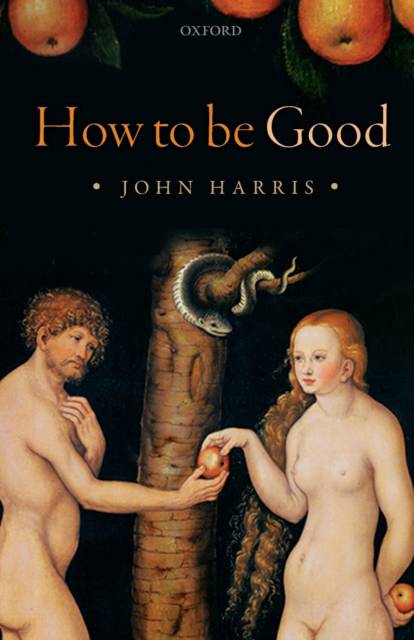
'How to be Good?' is the pre-eminent question for ethics, although one that philosophers and ethicists seldom address head on. Knowing how to be good, or perhaps (more modestly and more accurately) knowing how to go about trying to be good, and the ways in which it is pointless or self-defeating to try to be good, is of immense theoretical and practical importance. And what goes for trying to be good oneself, goes also for trying to provide others with ways of being good, and for trying to make them good whether they like it or not. This is what is meant by 'moral enhancement'.
There are many proposed methodologies or technologies for moral enhancement. Some of them are ancient and/or familiar: we may attempt moral enhancement by setting a good example, by good parenting, by education or training, by peer pressure, by telling stories with a moral, in words or in pictures, and so on. We can imbibe substances with mood changing or motivational effects. We can also use medical, biological, or other scientific means; we can search for and deploy chemicals, or biological or molecular agents, which we believe will change people for the better; and we can modify the environment to make bad outcomes of all sorts less likely. We can experiment with political and social systems, institutions, and arrangements designed to make the world a better place or people better people. The question whether and to what extent moral enhancement is possible is the subject of this book.
There are many proposed methodologies or technologies for moral enhancement. Some of them are ancient and/or familiar: we may attempt moral enhancement by setting a good example, by good parenting, by education or training, by peer pressure, by telling stories with a moral, in words or in pictures, and so on. We can imbibe substances with mood changing or motivational effects. We can also use medical, biological, or other scientific means; we can search for and deploy chemicals, or biological or molecular agents, which we believe will change people for the better; and we can modify the environment to make bad outcomes of all sorts less likely. We can experiment with political and social systems, institutions, and arrangements designed to make the world a better place or people better people. The question whether and to what extent moral enhancement is possible is the subject of this book.


Alleen bij Standaard Boekhandel
+ 119 punten op je klantenkaart van Standaard Boekhandel
CADEAU

AANGERADEN


Beoordelingen
We publiceren alleen reviews die voldoen aan de voorwaarden voor reviews. Bekijk onze voorwaarden voor reviews.