


- Afhalen na 1 uur in een winkel met voorraad
- Gratis thuislevering in België vanaf € 30
- Ruim aanbod met 7 miljoen producten
- Afhalen na 1 uur in een winkel met voorraad
- Gratis thuislevering in België vanaf € 30
- Ruim aanbod met 7 miljoen producten





Omschrijving
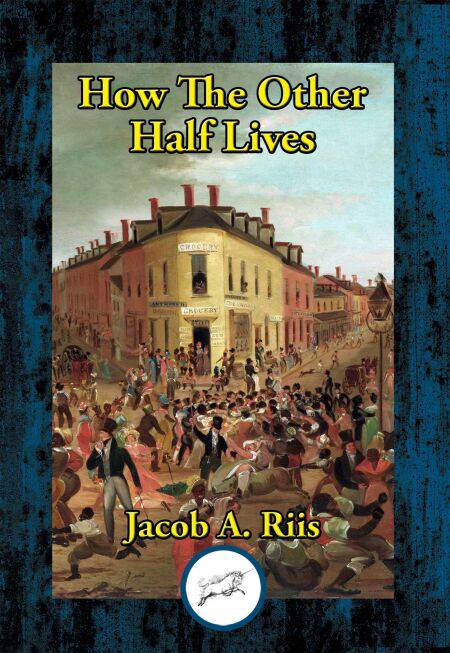
During the 1890s many people in upper- and middle-class society were unaware of the dangerous conditions in the slums among poor immigrants. Jacob Riis, a Danish immigrant who himself could not originally find much work, hoped to expose the squalor of the 19th-century Lower East Side of Manhattan. After a successful career as a police reporter, he decided to publish a photojournal documenting these conditions using graphic descriptions, sketches, photographs, and statistics.
Riis blamed the apathy of the monied class for the condition of the New York slums, and assumed that as people were made more aware of these conditions they would be motivated to help eradicate them.
Riis blamed the apathy of the monied class for the condition of the New York slums, and assumed that as people were made more aware of these conditions they would be motivated to help eradicate them.
Specificaties
Betrokkenen
- Auteur(s):
- Uitgeverij:
Inhoud
- Aantal bladzijden:
- 204
- Taal:
- Engels
Eigenschappen
- Productcode (EAN):
- 9781515452416
- Verschijningsdatum:
- 6/08/2023
- Uitvoering:
- E-book
- Beveiligd met:
- Adobe DRM
- Formaat:
- ePub



Alleen bij Standaard Boekhandel
+ 2 punten op je klantenkaart van Standaard Boekhandel
AANGERADEN


Beoordelingen
We publiceren alleen reviews die voldoen aan de voorwaarden voor reviews. Bekijk onze voorwaarden voor reviews.