


- Afhalen na 1 uur in een winkel met voorraad
- Gratis thuislevering in België vanaf € 30
- Ruim aanbod met 7 miljoen producten
- Afhalen na 1 uur in een winkel met voorraad
- Gratis thuislevering in België vanaf € 30
- Ruim aanbod met 7 miljoen producten





€ 24,59
+ 24 punten
Uitvoering
Omschrijving
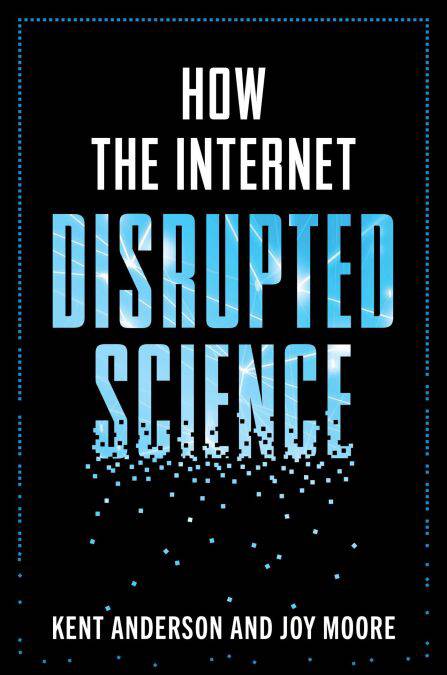
Scientific evidence affects policies, business, health outcomes, and economies worldwide. But is that scientific claim you just read reliable? Or nonsense? More and more often, it’s unreliable. The global system managing scientific claims has been hacked by bad ideas, big money, and bad incentives, and is being flooded by sketchy papers.
How the Internet Disrupted Science reveals the untold story of how science has been corrupted by digital information, academic and professional incentives, strange political ideologies, and big money interests. In this explosive expose, Kent Anderson and Joy Moore uncover how notions from the Big Tech world such as ‘move fast and break things’ and ‘information wants to be free’ have corrupted a scientific endeavor that once prided itself on truth-seeking, accountability, and transparency. Soon after that, scientific publishers were abdicating their responsibilities to practitioners and the public, while organized crime rings and conspiracy theorists took over.
In How the Internet Disrupted Science, two experts who witnessed this shift firsthand throughout their decades of experience in scientific publishing share a sprawling, endlessly fascinating tale decades in the making— one that is more relevant with each passing day, as we face new outbreaks, uncertainty around what information we can trust, a gutted scientific infrastructure, and concerns about centralized information in Large Language Models and AI systems. There is a way out of this mess, but only if we return to the self-correcting practices and core values that made science a reliable engine of progress for more than 500 years.
How the Internet Disrupted Science reveals the untold story of how science has been corrupted by digital information, academic and professional incentives, strange political ideologies, and big money interests. In this explosive expose, Kent Anderson and Joy Moore uncover how notions from the Big Tech world such as ‘move fast and break things’ and ‘information wants to be free’ have corrupted a scientific endeavor that once prided itself on truth-seeking, accountability, and transparency. Soon after that, scientific publishers were abdicating their responsibilities to practitioners and the public, while organized crime rings and conspiracy theorists took over.
In How the Internet Disrupted Science, two experts who witnessed this shift firsthand throughout their decades of experience in scientific publishing share a sprawling, endlessly fascinating tale decades in the making— one that is more relevant with each passing day, as we face new outbreaks, uncertainty around what information we can trust, a gutted scientific infrastructure, and concerns about centralized information in Large Language Models and AI systems. There is a way out of this mess, but only if we return to the self-correcting practices and core values that made science a reliable engine of progress for more than 500 years.
Specificaties
Betrokkenen
- Auteur(s):
- Uitgeverij:
Inhoud
- Aantal bladzijden:
- 368
- Taal:
- Engels
Eigenschappen
- Productcode (EAN):
- 9781493094660
- Verschijningsdatum:
- 3/08/2026
- Uitvoering:
- E-book
- Beveiligd met:
- Adobe DRM
- Formaat:
- ePub


Alleen bij Standaard Boekhandel
+ 24 punten op je klantenkaart van Standaard Boekhandel
Cadeau

AANGERADEN


Beoordelingen
We publiceren alleen reviews die voldoen aan de voorwaarden voor reviews. Bekijk onze voorwaarden voor reviews.