


- Afhalen na 1 uur in een winkel met voorraad
- Gratis thuislevering in België vanaf € 30
- Ruim aanbod met 7 miljoen producten
- Afhalen na 1 uur in een winkel met voorraad
- Gratis thuislevering in België vanaf € 30
- Ruim aanbod met 7 miljoen producten





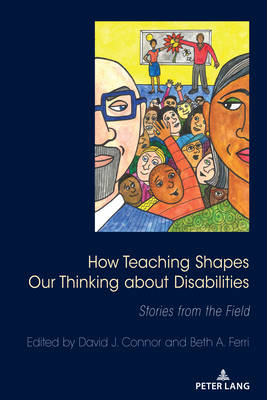
How Teaching Shapes Our Thinking About Disabilities
Stories from the Field
€ 49,45
+ 98 punten
Omschrijving
This book purposefully connects practice to research, and vice versa, through the use of deeply personal stories in the form of autoethnographic memoirs. In this collection, twenty contributors share selected tales of teaching students with dis/abilities in K-12 settings across the USA, including tentative triumphs, frustrating failures, and a deep desire to understand the dynamics of teaching and learning. The authors also share an early awareness of significant dissonance between academic knowledge taught to them in teacher education programs and their own experiential knowledge in schools. Coming to question established practices within the field of special education in relation to the children they taught, each author grew increasingly critical of deficit-models of disability that emphasized commonplace practices of physical and social exclusion, dysfunction and disorders, repetitive remediation and punitive punishments. The authors describe how their interactions with children and youth, parents, and administrators, in the context of their classrooms and schools, influenced a shift away from the limiting discourse of special education and toward become critical special educators and/or engage with disability studies as a way to reclaim, reframe, and reimagine disability as a natural part of human diversity. Furthermore, the authors document how these early experiences in the everydayness of schooling helped ground them as teachers and later, teacher educators, who galvanized their research trajectories around studying issues of access and equality throughout educational structures and systems, while developing new theoretical models within Disability Studies in Education, aimed to impact practices and policies.
Specificaties
Betrokkenen
- Uitgeverij:
Inhoud
- Aantal bladzijden:
- 330
- Taal:
- Engels
- Reeks:
- Reeksnummer:
- nr. 26
Eigenschappen
- Productcode (EAN):
- 9781433185618
- Verschijningsdatum:
- 26/04/2021
- Uitvoering:
- Paperback
- Formaat:
- Trade paperback (VS)
- Afmetingen:
- 152 mm x 229 mm
- Gewicht:
- 458 g

Alleen bij Standaard Boekhandel
+ 98 punten op je klantenkaart van Standaard Boekhandel
AANGERADEN


Beoordelingen
We publiceren alleen reviews die voldoen aan de voorwaarden voor reviews. Bekijk onze voorwaarden voor reviews.