



Je cadeautjes zeker op tijd in huis hebben voor de feestdagen? Kom langs in onze winkels en vind het perfecte geschenk!
- Afhalen na 1 uur in een winkel met voorraad
- Gratis thuislevering in België vanaf € 30
- Ruim aanbod met 7 miljoen producten
Je cadeautjes zeker op tijd in huis hebben voor de feestdagen? Kom langs in onze winkels en vind het perfecte geschenk!
- Afhalen na 1 uur in een winkel met voorraad
- Gratis thuislevering in België vanaf € 30
- Ruim aanbod met 7 miljoen producten





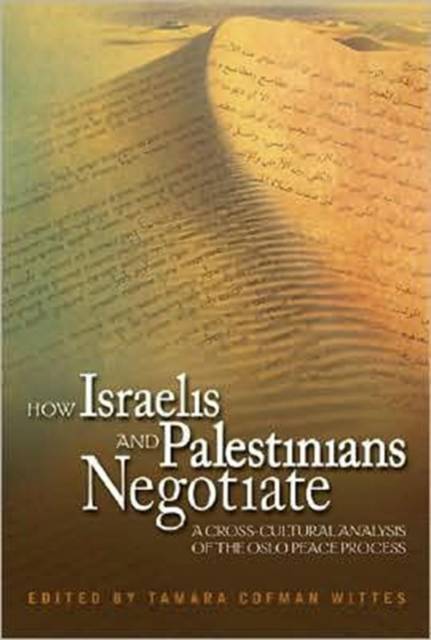
How Israelis and Palestinians Negotiate
A Fraternal Rivalry
€ 17,45
+ 34 punten
Omschrijving
Refreshing and revealing in equal measure, this innovative volume conducts a critical/self--critical exploration of the impact of culture on the ill-fated Oslo peace process. The authors negotiators and scholars alike demolish stereotypes as they construct an unusually subtle and sophisticated understanding of how culture influences negotiating styles. Culture, they argue, did not cause the Oslo breakdown but it did play an influential, intervening role at several levels: coloring the thinking of political leaders, shaping domestic politics on both sides, and affecting each side s evaluation of the other s beliefs and intentions.After an overview by William Quandt of the history of the Oslo process and the impact of international factors such as U.S. mediation, the volume presents a detailed analysis of first Palestinian, and then Israeli negotiating styles between 1993 and 2001. Omar Dajani, a former legal advisor to the Palestinian team, explains how elements of Palestinian identity and national development have hobbled the Palestinians ability to negotiate effectively. Aharon Klieman, a distinguished Israeli analyst, traces a long-standing clash between diplomatic and security subcultures within the Israeli political elite and reveals how Israeli identity has helped create a negotiating style that opts for short-term gains while undermining the prospects for a lasting agreement. Drawing on these insights, Tamara Wittes concludes the volume by offering not only a fresh appreciation of culture s influence on interethnic negotiations but also lessons for future negotiators in the Israeli-Palestinian conflict.Read the review from Foreign Affairs."
Specificaties
Betrokkenen
- Uitgeverij:
Inhoud
- Aantal bladzijden:
- 172
- Taal:
- Engels
- Reeks:
Eigenschappen
- Productcode (EAN):
- 9781929223640
- Verschijningsdatum:
- 3/01/2005
- Uitvoering:
- Paperback
- Formaat:
- Trade paperback (VS)
- Afmetingen:
- 152 mm x 229 mm


Alleen bij Standaard Boekhandel
+ 34 punten op je klantenkaart van Standaard Boekhandel
CADEAU


Beoordelingen
We publiceren alleen reviews die voldoen aan de voorwaarden voor reviews. Bekijk onze voorwaarden voor reviews.