


- Afhalen na 1 uur in een winkel met voorraad
- Gratis thuislevering in België vanaf € 30
- Ruim aanbod met 7 miljoen producten
- Afhalen na 1 uur in een winkel met voorraad
- Gratis thuislevering in België vanaf € 30
- Ruim aanbod met 7 miljoen producten





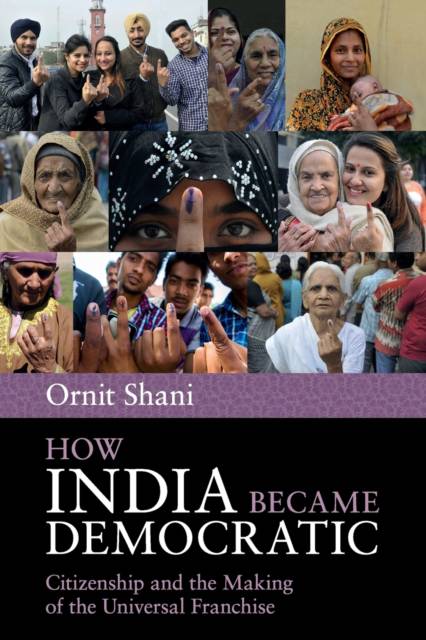
How India Became Democratic
Citizenship and the Making of the Universal Franchise
Ornit Shani
Paperback | Engels
€ 70,95
+ 141 punten
Omschrijving
How India Became Democratic explores the greatest experiment in democratic human history. It tells the untold story of the preparation of the electoral roll on the basis of universal adult franchise in the world's largest democracy. Ornit Shani offers a new view of the institutionalisation of democracy in India, and of the way democracy captured the political imagination of its diverse peoples. Turning all adult Indians into voters against the backdrop of the partition of India and Pakistan, and in anticipation of the drawing up of a constitution, was a staggering task. Indians became voters before they were citizens - by the time the constitution came into force in 1950, the abstract notion of universal franchise and electoral democracy were already grounded. Drawing on rich archival materials, Shani shows how the Indian people were a driving force in the making of democratic citizenship as they struggled for their voting rights.
Specificaties
Betrokkenen
- Auteur(s):
- Uitgeverij:
Inhoud
- Aantal bladzijden:
- 296
- Taal:
- Engels
Eigenschappen
- Productcode (EAN):
- 9781107673540
- Verschijningsdatum:
- 7/12/2017
- Uitvoering:
- Paperback
- Formaat:
- Trade paperback (VS)
- Afmetingen:
- 163 mm x 234 mm
- Gewicht:
- 417 g


Alleen bij Standaard Boekhandel
+ 141 punten op je klantenkaart van Standaard Boekhandel
Cadeau

AANGERADEN


Beoordelingen
We publiceren alleen reviews die voldoen aan de voorwaarden voor reviews. Bekijk onze voorwaarden voor reviews.