


- Afhalen na 1 uur in een winkel met voorraad
- Gratis thuislevering in België vanaf € 30
- Ruim aanbod met 7 miljoen producten
- Afhalen na 1 uur in een winkel met voorraad
- Gratis thuislevering in België vanaf € 30
- Ruim aanbod met 7 miljoen producten





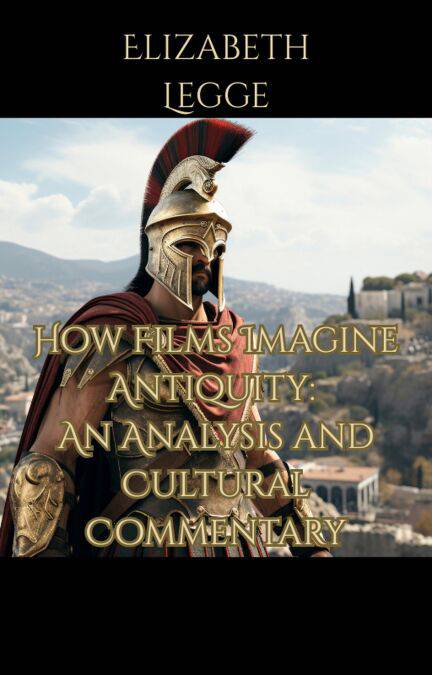
How Films Imagine Antiquity: An Analysis and Cultural Commentary E-BOOK
Elizabeth Legge
E-book | Engels
€ 4,49
+ 4 punten
Omschrijving
How Films Imagine Antiquity is a journey through the cinematic imagination of the ancient world. From childhood encounters with epic films to a career in archaeology, psychology, and cultural analysis, Elizabeth Legge brings a rare interdisciplinary lens to the stories that shaped our understanding of antiquity.
This book examines how films construct ancient worlds — not only through sets and costumes, but through narrative logic, political assumptions, emotional archetypes, and cultural memory. Why do certain characters endure across decades of cinema? How do films blend myth, history, and psychology? And what do these choices reveal about the societies that create them?
With chapters ranging from The Ten Commandments to Gladiator, from Roman Britain to biblical epics and psychological mythmaking, this work explores the evolution of epic storytelling and the shifting ways Hollywood imagines power, identity, and the ancient past.
Written by an archaeologist, novelist (as Elyse DeBarre), and lifelong student of film, this book blends scholarly insight with accessible commentary. It is also a living book: new chapters and revisions appear periodically, and readers can access them simply by refreshing the text.
For anyone who loves ancient history, epic cinema, cultural analysis, or the intersection of myth and storytelling, How Films Imagine Antiquity offers a rich, evolving exploration of how the past lives on in film.
Specificaties
Betrokkenen
- Auteur(s):
- Uitgeverij:
Inhoud
- Taal:
- Engels
Eigenschappen
- Productcode (EAN):
- 9798231686438
- Verschijningsdatum:
- 22/02/2026
- Uitvoering:
- E-book
- Formaat:
- ePub


Alleen bij Standaard Boekhandel
+ 4 punten op je klantenkaart van Standaard Boekhandel
Cadeau

AANGERADEN


Beoordelingen
We publiceren alleen reviews die voldoen aan de voorwaarden voor reviews. Bekijk onze voorwaarden voor reviews.