


- Afhalen na 1 uur in een winkel met voorraad
- Gratis thuislevering in België vanaf € 30
- Ruim aanbod met 7 miljoen producten
- Afhalen na 1 uur in een winkel met voorraad
- Gratis thuislevering in België vanaf € 30
- Ruim aanbod met 7 miljoen producten





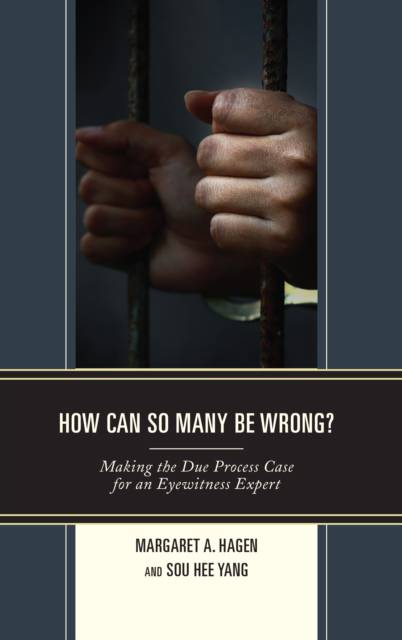
How Can So Many Be Wrong?
Making the Due Process Case for an Eyewitness Expert
Margaret A Hagen, Yang
Paperback | Engels
€ 83,45
+ 166 punten
Eenvoudig bestellen
Veilig betalen


Gratis thuislevering vanaf € 30 (via bpost)
Gratis levering in je Standaard Boekhandel
Omschrijving
Of the 347 U.S. false criminal convictions overturned so far through DNA testing, 73 percent were based on erroneous eyewitness testimony. How could so many eyewitnesses be wrong? This book answers this question. The analysis of the U.S. Supreme Court eyewitness cases shows that most of the Court's holdings were likely in error. The Court--like the judges and juries in the courts below--greatly overestimated the reliability of eyewitnesses against the defendants and decided their convictions based on unsound evidence. The facts of the cases and personalities of the defendants are engaging and compelling. An expert is needed to inform the judge and the jury of the circumstances to consider when weighing the testimony of the witness against the facts of the case. It is a clear violation of Due Process to deny the defendant the provision of an expert witness in all cases where the eyewitness testimony lacks corroboration. Research assessing both cross-examination and jury instructions makes it abundantly clear that neither can effectively provide courts with the counterintuitive information necessary to evaluate eyewitness reliability: denial of an expert is denial of Due Process.
Specificaties
Betrokkenen
- Auteur(s):
- Uitgeverij:
Inhoud
- Aantal bladzijden:
- 256
- Taal:
- Engels
Eigenschappen
- Productcode (EAN):
- 9781498579896
- Verschijningsdatum:
- 11/11/2020
- Uitvoering:
- Paperback
- Formaat:
- Trade paperback (VS)
- Afmetingen:
- 152 mm x 229 mm
- Gewicht:
- 367 g


Alleen bij Standaard Boekhandel
+ 166 punten op je klantenkaart van Standaard Boekhandel
CADEAU

AANGERADEN


Beoordelingen
We publiceren alleen reviews die voldoen aan de voorwaarden voor reviews. Bekijk onze voorwaarden voor reviews.