


- Afhalen na 1 uur in een winkel met voorraad
- Gratis thuislevering in België vanaf € 30
- Ruim aanbod met 7 miljoen producten
- Afhalen na 1 uur in een winkel met voorraad
- Gratis thuislevering in België vanaf € 30
- Ruim aanbod met 7 miljoen producten





€ 45,45
+ 90 punten
Omschrijving
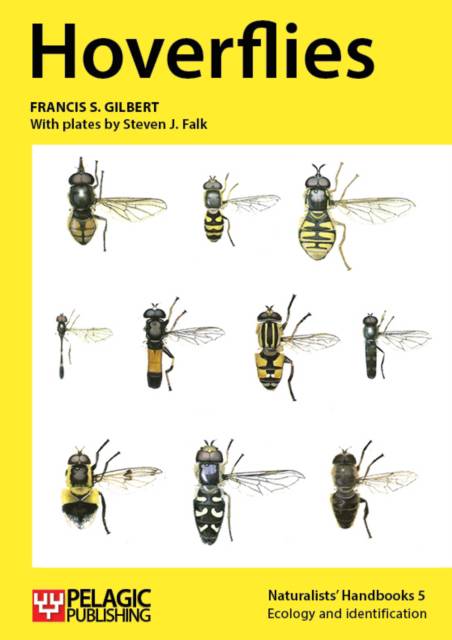
This Naturalists' Handbook aims to attract more people to the study of solitary wasps by describing the ecology, distribution and natural history of these insects, including all relevant research in one convenient volume. Contents include an overview of the natural history of the solitary wasp, guidelines on identification, and advice on techniques and approaches to study. Further reading, a systematic checklist of genera and an alphabetical checklist of species and their distributions are included. Detailed keys to the identification of the species form the centre of the book and the text is accompanied by clear illustrations throughout, making this an invaluable practical guide for anyone seeking to broaden their knowledge of these fascinating, diverse creatures. Smaller, gentler and less intimidating than the black and yellow social wasps, the solitary wasps are attractive because of their bright colours and their fascinating behaviour. A female wasp will construct a nest, excavating it from wood or sand or building it from mud.She provisions the nest with prey, hunting down a suitable creature, perhaps a caterpillar or a fly, which she will paralyse before dragging it home to the nest. She lays her egg on the paralysed prey, and the larva when it hatches feeds on the prey. On a sunny day it is easy to observe the apparently purposeful behaviour of female wasps as they prepare their nests and stock them with food for the next generation. This book is a digital reprint of ISBN 0-85546-295-7 (1995). Naturalists' Handbooks encourage and enable those interested in natural history to undertake field study, make accurate identifications and to make original contributions to research.
Specificaties
Betrokkenen
- Auteur(s):
- Illustrator(s):
- Uitgeverij:
Inhoud
- Aantal bladzijden:
- 96
- Taal:
- Engels
- Reeks:
- Reeksnummer:
- nr. 5
Eigenschappen
- Productcode (EAN):
- 9781907807596
- Verschijningsdatum:
- 1/09/2015
- Uitvoering:
- Paperback
- Formaat:
- Trade paperback (VS)
- Afmetingen:
- 148 mm x 210 mm
- Gewicht:
- 136 g


Alleen bij Standaard Boekhandel
+ 90 punten op je klantenkaart van Standaard Boekhandel
Cadeau

AANGERADEN


Beoordelingen
We publiceren alleen reviews die voldoen aan de voorwaarden voor reviews. Bekijk onze voorwaarden voor reviews.