


- Afhalen na 1 uur in een winkel met voorraad
- Gratis thuislevering in België vanaf € 30
- Ruim aanbod met 7 miljoen producten
- Afhalen na 1 uur in een winkel met voorraad
- Gratis thuislevering in België vanaf € 30
- Ruim aanbod met 7 miljoen producten





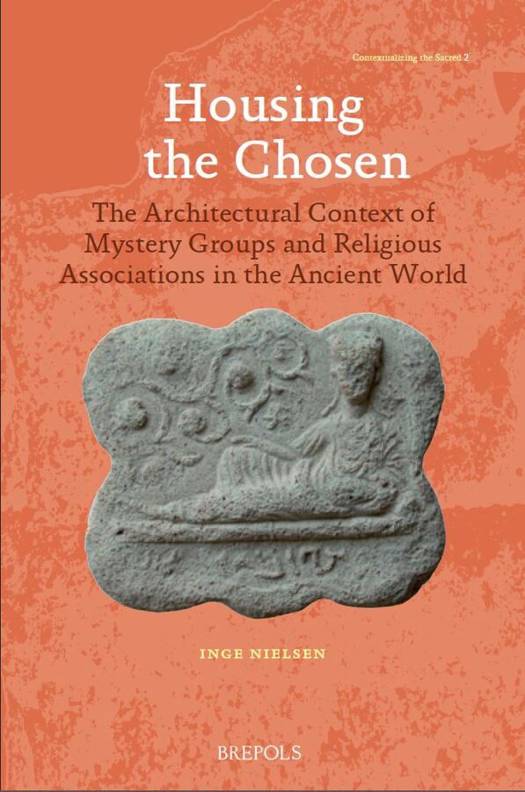
Housing the Chosen
The Architectural Context of Mystery Groups and Religious Associations in the Ancient World
Inge Nielsen
€ 153,70
+ 307 punten
Omschrijving
The architecture of ancient religious spaces has the potential to offer a deeper understanding of the religious groups who used the spaces and the activities they performed there. However, the large corpus of recent scholarship has for the most part overlooked architecture. This book investigates the spatial and architectural settings of mystery cults and religious assemblies from the eighth century bc to the fourth century ad and shows how architecture can illuminate the contents and societal functions of ancient religions. It examines deities whose cults included mysteries and/or were served by religious associations in the ancient world. Chapters treat the old Greek mystery cults of Demeter in Eleusis and the Great Gods in Samothrace as well as those of Dionysos, and the 'foreign' deities Isis/Serapis, Cybele/Attis, and Mithras. The book also treats religions and cults that did not include mysteries but were served by special religious groups, such as those belonging to the Syrio-Phoenician gods, the Jewish god in the diaspora, and the Christian god. The last section of the book combines the typological results from the first section on architecture with the presentation of the cultic functions of religious groups in the second section. This comparative analysis seeks to understand the social and spatial context for the activities of cults with a main focus on the Hellenistic and Roman periods, in particular through distinguishing the differences and similarities in the use of specific room-types.
Specificaties
Betrokkenen
- Auteur(s):
- Uitgeverij:
Inhoud
- Aantal bladzijden:
- 339
- Taal:
- Engels
- Reeks:
- Reeksnummer:
- nr. 2
Eigenschappen
- Productcode (EAN):
- 9782503544373
- Verschijningsdatum:
- 24/06/2014
- Uitvoering:
- Paperback
- Formaat:
- Trade paperback (VS)
- Afmetingen:
- 216 mm x 279 mm
- Gewicht:
- 1133 g


Alleen bij Standaard Boekhandel
+ 307 punten op je klantenkaart van Standaard Boekhandel
Cadeau

AANGERADEN


Beoordelingen
We publiceren alleen reviews die voldoen aan de voorwaarden voor reviews. Bekijk onze voorwaarden voor reviews.