


- Afhalen na 1 uur in een winkel met voorraad
- Gratis thuislevering in België vanaf € 30
- Ruim aanbod met 7 miljoen producten
- Afhalen na 1 uur in een winkel met voorraad
- Gratis thuislevering in België vanaf € 30
- Ruim aanbod met 7 miljoen producten





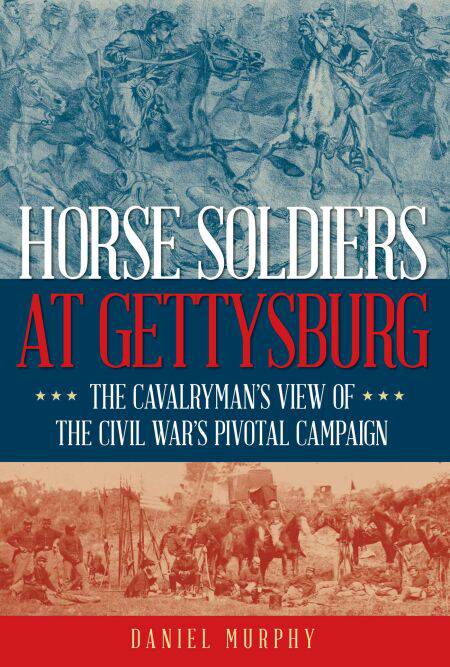
Horse Soldiers at Gettysburg E-BOOK
The Cavalryman's View of the Civil War's Pivotal Campaign
Daniel Murphy
E-book | Engels
€ 24,59
+ 24 punten
Eenvoudig bestellen
Veilig betalen


Onmiddellijk geleverd via e-mail
Omschrijving
Cavalry operations during the Gettysburg campaign have been well covered, but never like this. Most cavalry treatments of the campaign and battle have focused on strategy, operations, and tactics and zoomed in on particular episodes: the Battle of Brandy Station in June 1863 (the largest cavalry engagement on American soil), Jeb Stuart’s controversial ride-for-glory that deprived Lee of important intelligence for days, Union cavalry general John Buford’s role in the start of the battle on July 1, and the cavalry battle involving not only Stuart but also George Armstrong Custer east of Gettysburg on July 3. Daniel Murphy’s book covers the grand sweep of cavalry in the Gettysburg campaign, from Lee’s crossing of the Rappahannock in early June 1863, through the epic three-day clash in Pennsylvania, to the conclusion of Lee’s retreat in July 1863. But more than that, in a book blending strategy and tactics and campaign narrative with deep research in primary sources and an equestrian’s sense for what it’s like to ride and manage horses, Daniel Murphy brings a horseman’s eye to the story of the campaign: how individual cavalrymen experienced the campaign from the saddle and how horses—with special needs for care and maintenance—were in fact weapons that helped shape battles.
In this new narrative of Civil War cavalry, author Daniel Murphy gets into the saddle and explores what it was like to be a cavalryman during the Gettysburg campaign. Horse-soldiering was a unique way of doing battle, and Murphy gives it more justice and nuanced description than any author has yet given it.
In this new narrative of Civil War cavalry, author Daniel Murphy gets into the saddle and explores what it was like to be a cavalryman during the Gettysburg campaign. Horse-soldiering was a unique way of doing battle, and Murphy gives it more justice and nuanced description than any author has yet given it.
Specificaties
Betrokkenen
- Auteur(s):
- Uitgeverij:
Inhoud
- Aantal bladzijden:
- 400
- Taal:
- Engels
Eigenschappen
- Productcode (EAN):
- 9780811772723
- Verschijningsdatum:
- 31/05/2023
- Uitvoering:
- E-book
- Beveiligd met:
- Adobe DRM
- Formaat:
- ePub


Alleen bij Standaard Boekhandel
+ 24 punten op je klantenkaart van Standaard Boekhandel
CADEAU

AANGERADEN


Beoordelingen
We publiceren alleen reviews die voldoen aan de voorwaarden voor reviews. Bekijk onze voorwaarden voor reviews.