



- Afhalen na 1 uur in een winkel met voorraad
- In januari gratis thuislevering in België
- Ruim aanbod met 7 miljoen producten
- Afhalen na 1 uur in een winkel met voorraad
- In januari gratis thuislevering in België
- Ruim aanbod met 7 miljoen producten





€ 69,45
+ 138 punten
Omschrijving
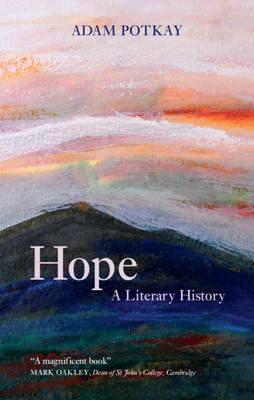
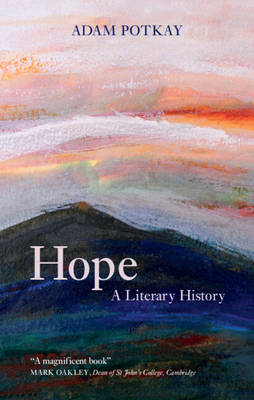
Hope for us has a positive connotation. Yet it was criticized in classical antiquity as a distraction from the present moment, as the occasion for irrational and self-destructive thinking, and as a presumption against the gods. To what extent do arguments against hope today remain useful? If hope sounds to us like a good thing, that reaction stems from a progressive political tradition grounded in the French Revolution, aspects of Romantic literature and the influence of the Abrahamic faiths. Ranging both wide and deep, Adam Potkay examines the cases for and against hope found in literature from antiquity to the present. Drawing imaginatively on several fields and creatively juxtaposing poetry, drama, and novels alongside philosophy, theology and political theory, the author brings continually fresh insights to a subject of perennial interest. This is a bold and illuminating new treatment of a long-running literary debate as complex as it is compelling.
Specificaties
Betrokkenen
- Auteur(s):
- Uitgeverij:
Inhoud
- Aantal bladzijden:
- 434
- Taal:
- Engels
Eigenschappen
- Productcode (EAN):
- 9781316513705
- Verschijningsdatum:
- 27/01/2022
- Uitvoering:
- Hardcover
- Formaat:
- Genaaid
- Afmetingen:
- 201 mm x 221 mm
- Gewicht:
- 712 g


Alleen bij Standaard Boekhandel
+ 138 punten op je klantenkaart van Standaard Boekhandel
Cadeau

AANGERADEN


Beoordelingen
We publiceren alleen reviews die voldoen aan de voorwaarden voor reviews. Bekijk onze voorwaarden voor reviews.