


- Afhalen na 1 uur in een winkel met voorraad
- Gratis thuislevering in België vanaf € 30
- Ruim aanbod met 7 miljoen producten
- Afhalen na 1 uur in een winkel met voorraad
- Gratis thuislevering in België vanaf € 30
- Ruim aanbod met 7 miljoen producten





€ 26,95
+ 53 punten
Omschrijving
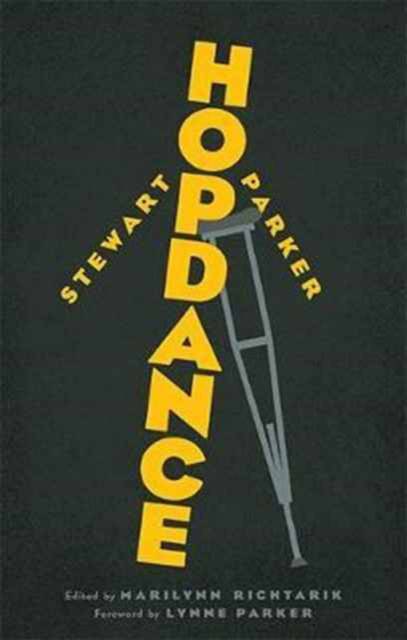
In a great Irish tradition of autobiographical fiction that includes James Joyce's A Portrait of the Artist as a Young Man and Seamus Deane's Reading in the Dark, Parker's poignant novel depicts events surrounding the amputation of his left leg as a nineteen-year-old university student. Masterful vignettes present the callow protagonist's life before, during and after this ordeal. Belfast, drear locus of rain and despond, contributes to the heaviness at the novel's heart, as its characters strive to rise above the pervasive melancholy of the city and find some human happiness that they can share. Tosh, Parker's alter-ego, is drifting through life before his cancer diagnosis, plagued by the twin 'cankers' of a puzzling pain in the leg and a crippling loneliness. The amputation forces him into a more authentic relationship with life, which 'Starts with the wound. Ends with the kiss. For the lucky ones.' This remarkable, posthumously edited work, largely written in the early 1970s, prefigures the skills Parker would demonstrate in his plays: plainspoken and stoical in tone, the emotion seeps through a membrane of numb reserve. The writing is impressionistically vivid, the descriptions of pain and discomfort wholly authoritative. Hopdance is a beautiful, sincere, personal testament by a true artist, a wondrous 'lost treasure' of literature now presented to its reading public.
Specificaties
Betrokkenen
- Auteur(s):
- Uitgeverij:
Inhoud
- Aantal bladzijden:
- 176
- Taal:
- Engels
Eigenschappen
- Productcode (EAN):
- 9781843517092
- Verschijningsdatum:
- 1/04/2017
- Uitvoering:
- Paperback
- Formaat:
- Trade paperback (VS)
- Afmetingen:
- 135 mm x 215 mm
- Gewicht:
- 204 g


Alleen bij Standaard Boekhandel
+ 53 punten op je klantenkaart van Standaard Boekhandel
CADEAU

AANGERADEN


Beoordelingen
We publiceren alleen reviews die voldoen aan de voorwaarden voor reviews. Bekijk onze voorwaarden voor reviews.