


- Afhalen na 1 uur in een winkel met voorraad
- Gratis thuislevering in België vanaf € 30
- Ruim aanbod met 7 miljoen producten
- Afhalen na 1 uur in een winkel met voorraad
- Gratis thuislevering in België vanaf € 30
- Ruim aanbod met 7 miljoen producten





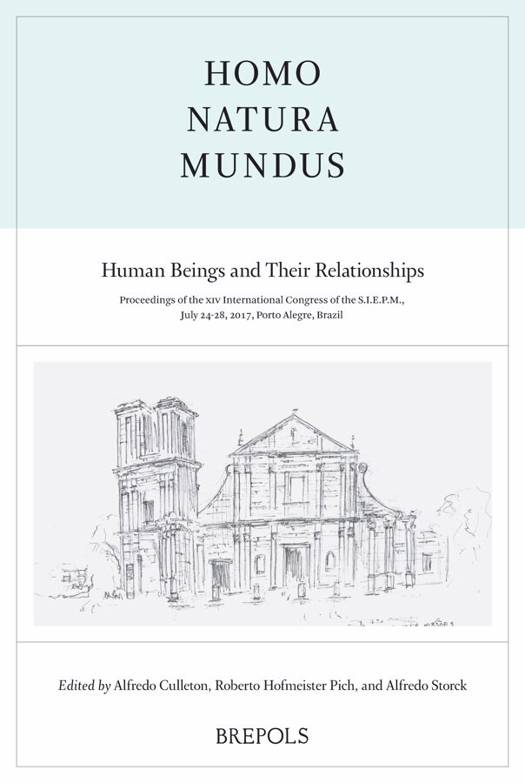
Homo, Natura, Mundus
Human Beings and Their Relationships: Proceedings of the XIV International Congress of the Societe Internationale Pour l'Etude de la Philosophie Medievale, July 24-28, 2017, Porto Alegre, Brazil
Roberto Hofmeister Pich
€ 106,00
+ 212 punten
Omschrijving
The present volumes contain a number of studies first presented at the XIV International Congress of the Societe Internationale pour l'Etude de la Philosophie Medievale, July 24-28, 2017, Porto Alegre, Brazil - which happened to be the first SIEPM Congress in Latin America and the first in the Southern Hemisphere. In 65 essays on current research questions in Latin, Jewish, and Arabic Philosophy, and Early Modern Scholasticism, the contributors explore the general theme of "Homo - Natura - Mundus: Human Beings and their Relationships," and lead us to new perspectives. These essays relate to the following areas of interest: the human being's self-understanding as a rational creature in multiple relationships (with God, the other, the community, the fellow and the different); the human being's place in the natural world and the possibility of relating to nature through knowledge; medieval philosophical traditions and the challenges introduced by the "discovery" of the "New World" (dominium, war, hierarchies, and new areas of concern with respect to justice, the human good, and the law). Thus, these volumes offer a unique sample of scholarly studies that work with the idea of "relationships" in two distinct, but not opposing, directions. Firstly, they explore the ways in which human beings, according to the reach of their soul's powers, construct their self-understanding and existence in relation to God, themselves, others and the natural world. Secondly, they explore the ways in which the philosophical bases for the understanding of these relationships were challenged by the transportation of medieval ideas to the "New World" and by the reception of these ideas in early modern times.
Specificaties
Betrokkenen
- Auteur(s):
- Uitgeverij:
Inhoud
- Aantal bladzijden:
- 1024
- Taal:
- Engels
- Reeks:
- Reeksnummer:
- nr. 22
Eigenschappen
- Productcode (EAN):
- 9782503592633
- Verschijningsdatum:
- 11/03/2021
- Uitvoering:
- Hardcover
- Formaat:
- Genaaid
- Afmetingen:
- 135 mm x 213 mm
- Gewicht:
- 385 g


Alleen bij Standaard Boekhandel
+ 212 punten op je klantenkaart van Standaard Boekhandel
Cadeau

AANGERADEN


Beoordelingen
We publiceren alleen reviews die voldoen aan de voorwaarden voor reviews. Bekijk onze voorwaarden voor reviews.