


- Afhalen na 1 uur in een winkel met voorraad
- Gratis thuislevering in België vanaf € 30
- Ruim aanbod met 7 miljoen producten
- Afhalen na 1 uur in een winkel met voorraad
- Gratis thuislevering in België vanaf € 30
- Ruim aanbod met 7 miljoen producten





€ 370,95
+ 741 punten
Omschrijving
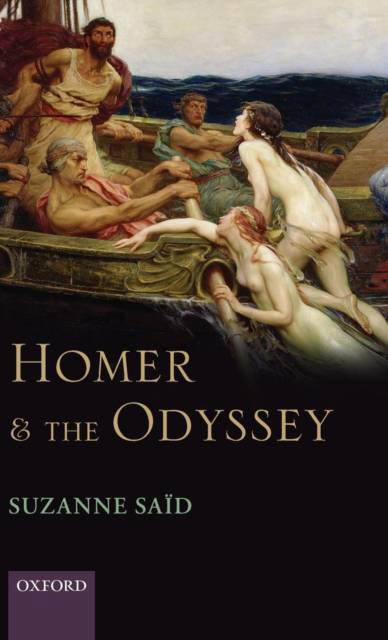
Who was Homer? This book takes us beyond the legends of the blind bard or the wandering poet to explore an author about whom nothing is known, except for his works. It offers a reading of the ancient biographies as clues to the reception of the Homeric poems in Antiquity and provides an introduction to the oral tradition which lay at the source of the Homeric epics. Above all, it takes us into the world of the Odyssey, a world that lies between history and fiction. It guides the reader through a poem which rivals the modern novel in its complexity, demonstrating the unity of the poem as a whole. It defines the many and varied figures of otherness by which the Greeks of the archaic period defined themselves and underlines the values promoted by the poem's depictions of men, women, and gods. Finally, it asks why, throughout the centuries from Homer to Kazantzakis and Joyce, the hero who never forgets his homeland and dreams constantly of return has never ceased to be the incarnation of what it is to be human.
Specificaties
Betrokkenen
- Auteur(s):
- Vertaler(s):
- Uitgeverij:
Inhoud
- Aantal bladzijden:
- 428
- Taal:
- Engels
Eigenschappen
- Productcode (EAN):
- 9780199542840
- Verschijningsdatum:
- 15/10/2011
- Uitvoering:
- Hardcover
- Formaat:
- Ongenaaid / garenloos gebonden
- Afmetingen:
- 142 mm x 218 mm
- Gewicht:
- 612 g


Alleen bij Standaard Boekhandel
+ 741 punten op je klantenkaart van Standaard Boekhandel
Cadeau

AANGERADEN


Beoordelingen
We publiceren alleen reviews die voldoen aan de voorwaarden voor reviews. Bekijk onze voorwaarden voor reviews.