


- Afhalen na 1 uur in een winkel met voorraad
- Gratis thuislevering in België vanaf € 30
- Ruim aanbod met 7 miljoen producten
- Afhalen na 1 uur in een winkel met voorraad
- Gratis thuislevering in België vanaf € 30
- Ruim aanbod met 7 miljoen producten





Omschrijving
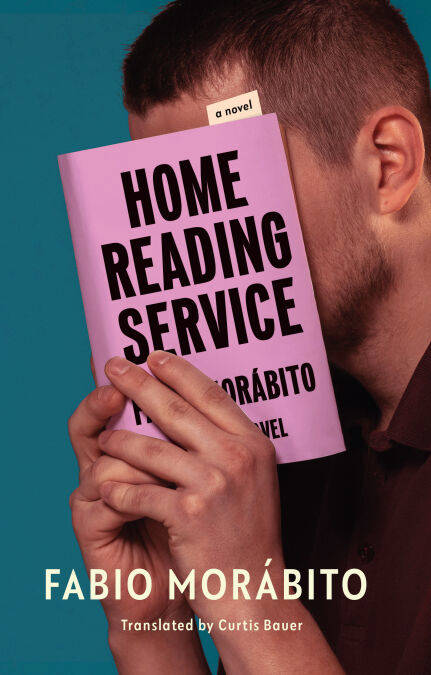
In this poignant novel, a man guilty of a minor offense finds purpose unexpectedly by way of his punishment—reading to others.
After an accident—or “the misfortune,” as his cancer-ridden father’s caretaker, Celeste, calls it—Eduardo is sentenced to a year of community service reading to the elderly and disabled. Stripped of his driver’s license and feeling impotent as he nears thirty-five, he leads a dull, lonely life, chatting occasionally with the waitresses of a local restaurant or walking the streets of Cuernavaca. Once a quiet town known for its lush gardens and swimming pools, the “City of Eternal Spring” is now plagued by robberies, kidnappings, and the other myriad forms of violence bred by drug trafficking.
At first, Eduardo seems unable to connect. He movingly reads the words of Dostoyevsky, Henry James, Daphne du Maurier, and more, but doesn’t truly understand them. His eccentric listeners—including two brothers, one mute, who moves his lips while the other acts as ventriloquist; deaf parents raising children they don’t know are hearing; and a beautiful, wheelchair-bound mezzo soprano—sense his detachment. Then Eduardo comes across a poem his father had copied by the Mexican poet Isabel Fraire, and it affects him as no literature has before.
Through these fascinating characters, like the practical, quick-witted Celeste, who intuitively grasps poetry even though she never learned to read, Fabio Morábito shows how art can help us rediscover meaning in a corrupt, unequal society.
After an accident—or “the misfortune,” as his cancer-ridden father’s caretaker, Celeste, calls it—Eduardo is sentenced to a year of community service reading to the elderly and disabled. Stripped of his driver’s license and feeling impotent as he nears thirty-five, he leads a dull, lonely life, chatting occasionally with the waitresses of a local restaurant or walking the streets of Cuernavaca. Once a quiet town known for its lush gardens and swimming pools, the “City of Eternal Spring” is now plagued by robberies, kidnappings, and the other myriad forms of violence bred by drug trafficking.
At first, Eduardo seems unable to connect. He movingly reads the words of Dostoyevsky, Henry James, Daphne du Maurier, and more, but doesn’t truly understand them. His eccentric listeners—including two brothers, one mute, who moves his lips while the other acts as ventriloquist; deaf parents raising children they don’t know are hearing; and a beautiful, wheelchair-bound mezzo soprano—sense his detachment. Then Eduardo comes across a poem his father had copied by the Mexican poet Isabel Fraire, and it affects him as no literature has before.
Through these fascinating characters, like the practical, quick-witted Celeste, who intuitively grasps poetry even though she never learned to read, Fabio Morábito shows how art can help us rediscover meaning in a corrupt, unequal society.
Specificaties
Betrokkenen
- Auteur(s):
- Vertaler(s):
- Uitgeverij:
Inhoud
- Aantal bladzijden:
- 240
- Taal:
- Engels
Eigenschappen
- Productcode (EAN):
- 9781635420739
- Verschijningsdatum:
- 15/11/2021
- Uitvoering:
- E-book
- Beveiligd met:
- Adobe DRM
- Formaat:
- ePub


Alleen bij Standaard Boekhandel
+ 9 punten op je klantenkaart van Standaard Boekhandel
Cadeau

AANGERADEN


Beoordelingen
We publiceren alleen reviews die voldoen aan de voorwaarden voor reviews. Bekijk onze voorwaarden voor reviews.