


- Afhalen na 1 uur in een winkel met voorraad
- Gratis thuislevering in België vanaf € 30
- Ruim aanbod met 7 miljoen producten
- Afhalen na 1 uur in een winkel met voorraad
- Gratis thuislevering in België vanaf € 30
- Ruim aanbod met 7 miljoen producten





€ 55,95
+ 111 punten
Uitvoering
Eenvoudig bestellen
Veilig betalen


Gratis thuislevering vanaf € 30 (via bpost)
Gratis levering in je Standaard Boekhandel
Omschrijving
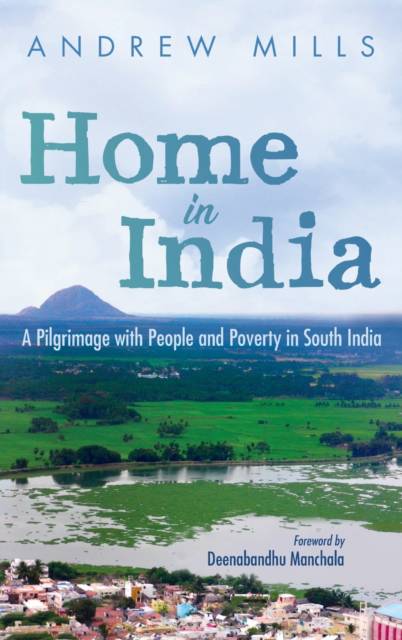
The setting is Madurai District in Tamil Nadu, India. The author and his young family arrive just nine years after India's independence. He is assigned to do development work under the Church of South India in a poor village area during 1956-61. The memoir progresses from the excitement in adjusting to a new culture and learning the South Indian language Tamil to the author's application of his skills to help poor villagers, all of whom turn out to be Dalits, the outcasts of South Indian society. In the end, his devotion to his work with the villagers comes into a major conflict with the fact that he and his family have to go on furlough to the United States at the end of the term, and there is a strong likelihood that they would not return due to his wife's unhappiness with being in India. Much of the memoir is devoted to telling the stories of his friends and colleagues in India who inspired him. They are the primary reason why he is truly at home in India and why he wrote the book.
Specificaties
Betrokkenen
- Auteur(s):
- Uitgeverij:
Inhoud
- Aantal bladzijden:
- 204
- Taal:
- Engels
Eigenschappen
- Productcode (EAN):
- 9781532666025
- Verschijningsdatum:
- 15/05/2021
- Uitvoering:
- Hardcover
- Formaat:
- Genaaid
- Afmetingen:
- 152 mm x 229 mm
- Gewicht:
- 444 g


Alleen bij Standaard Boekhandel
+ 111 punten op je klantenkaart van Standaard Boekhandel
CADEAU

AANGERADEN


Beoordelingen
We publiceren alleen reviews die voldoen aan de voorwaarden voor reviews. Bekijk onze voorwaarden voor reviews.