


- Afhalen na 1 uur in een winkel met voorraad
- Gratis thuislevering in België vanaf € 30
- Ruim aanbod met 7 miljoen producten
- Afhalen na 1 uur in een winkel met voorraad
- Gratis thuislevering in België vanaf € 30
- Ruim aanbod met 7 miljoen producten




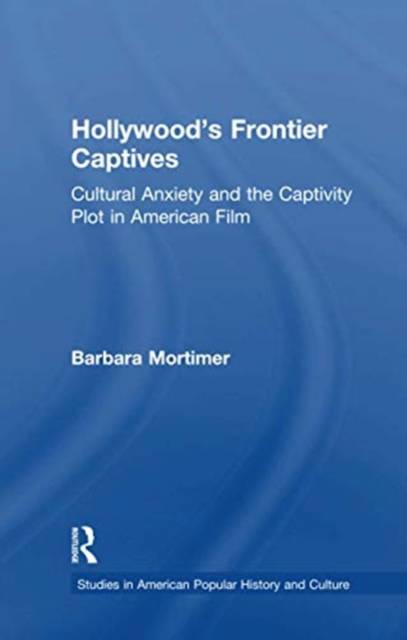
Hollywood's Frontier Captives
Cultural Anxiety and the Captivity Plot in American Film
Barbara A Mortimer
€ 108,45
+ 216 punten
Uitvoering
Omschrijving
The captivity narrative, the earliest genre of American popular literature, continues to be of cultural significance in late 20th-century Hollywood. Many popular films of the last four decades incorporate the most common elements of the captivity narrative tradition, including a politically contested frontier setting and a plot involving innocent, family-oriented white Americans held captive by hostile, culturally alien natives. At the same time, these films offer something new to the narrative tradition: they focus on the captive who resists rescue and the challenge this resistance poses to American cultural self-confidence. By focusing on the lost captive, these films, beginning with The Searchers (1956), deal with questions about American identity raised by a white American's cultural and potentially political transformation. Films as diverse as Little Big Man, Taxi Driver, and The Deer Hunter adapted the captivity narrative's conventions to criticize aspects of contemporary American society and reject outworn models of male heroism; at the same time, however, they retained the genre's traditional assumption of white superiority and its fear of female sexuality. Bibliography. Index.
Specificaties
Betrokkenen
- Auteur(s):
- Uitgeverij:
Inhoud
- Aantal bladzijden:
- 192
- Taal:
- Engels
- Reeks:
Eigenschappen
- Productcode (EAN):
- 9781138971929
- Verschijningsdatum:
- 21/07/2016
- Uitvoering:
- Paperback
- Formaat:
- Trade paperback (VS)
- Afmetingen:
- 140 mm x 216 mm
- Gewicht:
- 231 g



Alleen bij Standaard Boekhandel
+ 216 punten op je klantenkaart van Standaard Boekhandel
Cadeau

AANGERADEN


Beoordelingen
We publiceren alleen reviews die voldoen aan de voorwaarden voor reviews. Bekijk onze voorwaarden voor reviews.