


- Afhalen na 1 uur in een winkel met voorraad
- Gratis thuislevering in België vanaf € 30
- Ruim aanbod met 7 miljoen producten
- Afhalen na 1 uur in een winkel met voorraad
- Gratis thuislevering in België vanaf € 30
- Ruim aanbod met 7 miljoen producten





Omschrijving
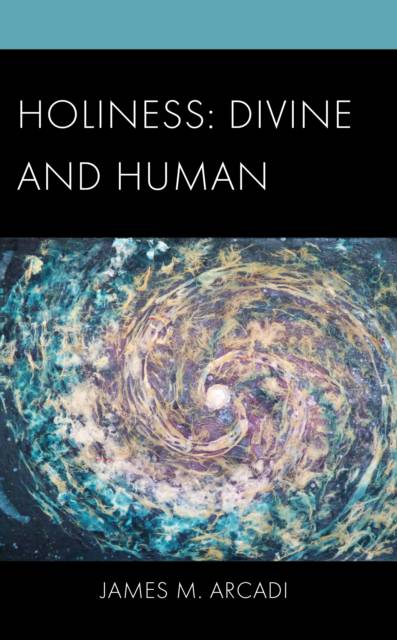
Holiness might seem like a simple concept. Yet, when one compares the array of objects that are called "holy" in the Hebrew Scriptures and Christian New Testament, there may seem to be no points of similarity between God, humans, time, land, temple accoutrements, etc. However, in this book, James M. Arcadi hypothesizes a unitary account of the definition of holiness. What unites holy objects, Arcadi argues, is divine ownership. Holy objects belong to God. In application to God, this motif has profound implications for how one conceives of God and the God-world relation. In application to humans, this book argues that the ownership theme unfurls new insights on a range of doctrinal loci including the doctrines of the imago Dei, justification, atonement, sanctification, and liturgical theology. Bringing biblical studies in conversation with contemporary analytic philosophy, this book offers an analytic systematic theology of holiness.
Specificaties
Betrokkenen
- Auteur(s):
- Uitgeverij:
Inhoud
- Aantal bladzijden:
- 192
- Taal:
- Engels
Eigenschappen
- Productcode (EAN):
- 9781978701441
- Verschijningsdatum:
- 22/08/2023
- Uitvoering:
- Hardcover
- Formaat:
- Genaaid
- Afmetingen:
- 152 mm x 229 mm
- Gewicht:
- 453 g


Alleen bij Standaard Boekhandel
+ 305 punten op je klantenkaart van Standaard Boekhandel
Wedstrijd


Beoordelingen
We publiceren alleen reviews die voldoen aan de voorwaarden voor reviews. Bekijk onze voorwaarden voor reviews.