


- Afhalen na 1 uur in een winkel met voorraad
- Gratis thuislevering in België vanaf € 30
- Ruim aanbod met 7 miljoen producten
- Afhalen na 1 uur in een winkel met voorraad
- Gratis thuislevering in België vanaf € 30
- Ruim aanbod met 7 miljoen producten




€ 69,45
+ 138 punten
Omschrijving
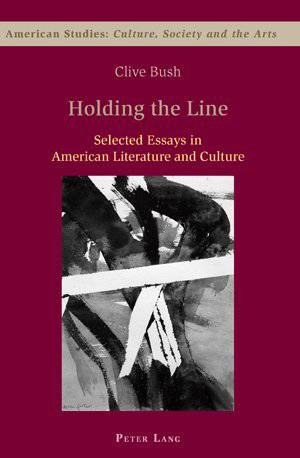
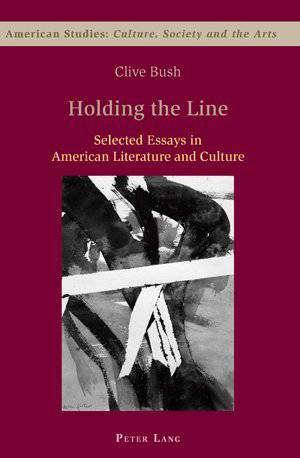
This book comprises a selection of interdisciplinary essays in American literature and culture written by Clive Bush over some forty years. They fall into four sections: Classic American Literature; Literary and Cultural Modernism; Literature and Politics; and American Cultural Studies. The topics range from literature to architecture, from the history of linguistics to analyses of the commodity culture, from poetry to film. The essays themselves extend from American linguistics to Beat literature. There is, however, an identifiable series of common themes and perspectives throughout. The first is the question of the relation of discourse itself to the practices of power: personal, social and political. The second is the attention paid to the particular and general historical context in which both texts and quasi-texts are situated. The third is that a European perspective, making use of comparative texts, has been used throughout. The author demonstrates a commitment both to close reading and to the value judgement in the reading of texts.
Specificaties
Betrokkenen
- Auteur(s):
- Uitgeverij:
Inhoud
- Aantal bladzijden:
- 352
- Taal:
- Engels
- Reeks:
- Reeksnummer:
- nr. 1
Eigenschappen
- Productcode (EAN):
- 9783039115716
- Verschijningsdatum:
- 23/10/2009
- Uitvoering:
- Paperback
- Formaat:
- Trade paperback (VS)
- Afmetingen:
- 150 mm x 220 mm
- Gewicht:
- 529 g


Alleen bij Standaard Boekhandel
+ 138 punten op je klantenkaart van Standaard Boekhandel
Cadeau

AANGERADEN


Beoordelingen
We publiceren alleen reviews die voldoen aan de voorwaarden voor reviews. Bekijk onze voorwaarden voor reviews.