


- Afhalen na 1 uur in een winkel met voorraad
- Gratis thuislevering in België vanaf € 30
- Ruim aanbod met 7 miljoen producten
- Afhalen na 1 uur in een winkel met voorraad
- Gratis thuislevering in België vanaf € 30
- Ruim aanbod met 7 miljoen producten





€ 114,45
+ 228 punten
Omschrijving
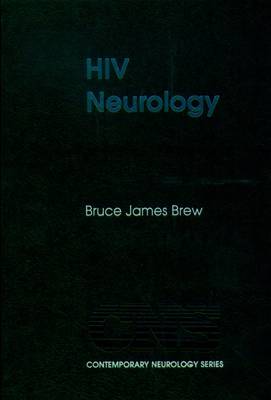
This text provides a clinical framework for the diagnosis and management of more than seventy potential neurological complications that may occur in the HIV infected patient. The clinical framework is designed to be "user friendly" so that even the most inexperienced clinician should be able to arrive at the correct diagnosis. The neurological complications of HIV disease have considerably changed in the last decade. Not only have more opportunistic conditions been described but other complications arising from antiretroviral drugs such as lipodystrophy and accelerated atherosclerosis have become problematic. Moreover, the pattern of complications has altered. Diseases such as cerebral toxoplasmosis, AIDS dementia complex and primary central nervous system lymphoma are now becoming uncommon to rare while peripheral neuropathy is becoming increasingly common. In line with these changes, there have been very significant advances in the therapy of HIV disease in general and in
neurological complications in particular. Patients with AIDS dementia complex now have a variety of antiretroviral and adjuvant drugs available to them in contrast to the situation only five years ago where therapy was confined to two antiretroviral drugs at best.
neurological complications in particular. Patients with AIDS dementia complex now have a variety of antiretroviral and adjuvant drugs available to them in contrast to the situation only five years ago where therapy was confined to two antiretroviral drugs at best.
Specificaties
Betrokkenen
- Auteur(s):
- Uitgeverij:
Inhoud
- Aantal bladzijden:
- 276
- Taal:
- Engels
- Reeks:
- Reeksnummer:
- nr. 61
Eigenschappen
- Productcode (EAN):
- 9780195133639
- Verschijningsdatum:
- 22/03/2001
- Uitvoering:
- Hardcover
- Formaat:
- Genaaid
- Afmetingen:
- 249 mm x 173 mm
- Gewicht:
- 773 g


Alleen bij Standaard Boekhandel
+ 228 punten op je klantenkaart van Standaard Boekhandel
Cadeau

AANGERADEN


Beoordelingen
We publiceren alleen reviews die voldoen aan de voorwaarden voor reviews. Bekijk onze voorwaarden voor reviews.