


- Afhalen na 1 uur in een winkel met voorraad
- Gratis thuislevering in België vanaf € 30
- Ruim aanbod met 7 miljoen producten
- Afhalen na 1 uur in een winkel met voorraad
- Gratis thuislevering in België vanaf € 30
- Ruim aanbod met 7 miljoen producten





€ 99,95
+ 199 punten
Omschrijving
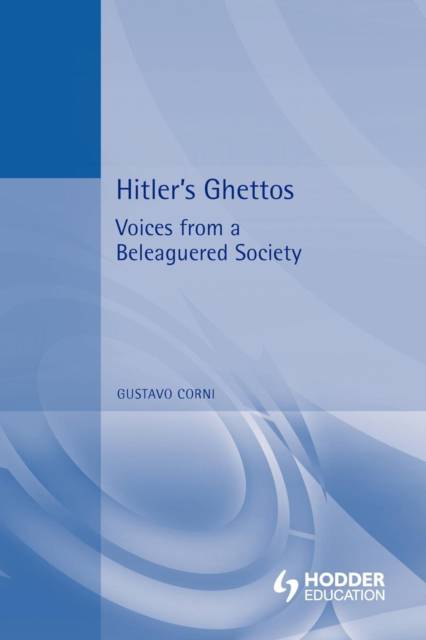
Hundreds of ghettos were created throughout eastern Europe by the Germans and their allies during the Second World War. There have been some studies of the largest ghettos - Warsaw and L0dz - and a few accounts of some of the smaller ones; but very little examination of the ghettos a a whole. This pioneering new history draws heavily on the testimonies of those who suffered in them, making use of a wide range of diaries and memoirs (and exploring the problems inherent in such sources). Other documentary sources - particularly German - are also used, but the intention is to look at the ghettos ""from below,"" focusing on behavior, values, and suffering, as well as on the heroism and the passiveness of the Jewish communities. Never before has personal testimony been so extensively used and systematically evaluated to write a history of the East European ghettos.
Specificaties
Betrokkenen
- Auteur(s):
- Uitgeverij:
Inhoud
- Aantal bladzijden:
- 368
- Taal:
- Engels
- Reeks:
Eigenschappen
- Productcode (EAN):
- 9780340762462
- Verschijningsdatum:
- 30/01/2003
- Uitvoering:
- Paperback
- Formaat:
- Trade paperback (VS)
- Afmetingen:
- 161 mm x 230 mm
- Gewicht:
- 607 g


Alleen bij Standaard Boekhandel
+ 199 punten op je klantenkaart van Standaard Boekhandel
Cadeau

AANGERADEN


Beoordelingen
We publiceren alleen reviews die voldoen aan de voorwaarden voor reviews. Bekijk onze voorwaarden voor reviews.