


- Afhalen na 1 uur in een winkel met voorraad
- Gratis thuislevering in België vanaf € 30
- Ruim aanbod met 7 miljoen producten
- Afhalen na 1 uur in een winkel met voorraad
- Gratis thuislevering in België vanaf € 30
- Ruim aanbod met 7 miljoen producten





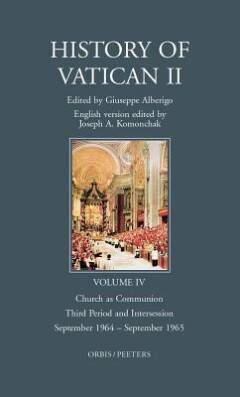
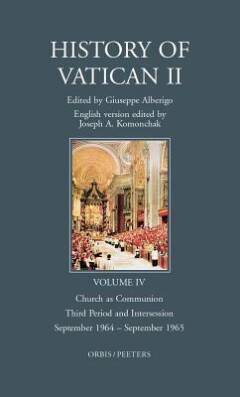
History of Vatican II, Vol. IV. Church as Communion. Third Period and Intersession. September 1964 - September 1965
English Version Edited by J.A. Komonchak
Giuseppe Alberigo
€ 75,00
+ 150 punten
Eenvoudig bestellen
Veilig betalen


Gratis thuislevering vanaf € 30 (via bpost)
Gratis levering in je Standaard Boekhandel
Omschrijving
This fourth volume of the History of Vatican II reconstructs the work of the Council during the third session, which was to produce two of the most significant texts, the Dogmatic Constitution on the Church and the Decree on Ecumenism. As with previous volumes an international team of scholars tracks the daily progress of the assembly and its numerous assisting bodies. Using sources from all the Council's groups, as well as an unprecedented acquisition of previously unpublished documents, they provide the reader with a rich, multidimensional knowledge of the event that more than any other shaped the Roman Catholic Church. The enthusiasm of the two previous sessions had given way to a greater awareness of the enormity of the conciliar task. The general desire on the part of the bishops to conclude the Council with this third session added to the pressure from many sides to produce significant results. The agenda thus included many complex issues in various schemas, and none surrounded by more tension than the question of collegiality, which was the source of passionate debate in the previous session. Other issues to be taken up by the Council included discussions and votes on sections on eschatology and the Blessed Virgin Mary in the schema on the Church; on the care of souls in the schema on the pastoral role of bishops; an entirely new text on divine revelation; declarations on religious freedom and on the Jews in the schema on ecumenism, and two entirely new schemas on the lay apostolate and on the Church in the modern world. Many conciliar fathers were disappointed by events during the last days of this session (the "Black Week," some called it), and this created even greater interest in what would be the fourth and final session of Vatican II.
Specificaties
Betrokkenen
- Auteur(s):
- Uitgeverij:
Inhoud
- Aantal bladzijden:
- 640
- Taal:
- Engels
- Reeks:
- Reeksnummer:
- nr. 4
Eigenschappen
- Productcode (EAN):
- 9789042911949
- Verschijningsdatum:
- 31/12/2004
- Uitvoering:
- Hardcover
- Formaat:
- Genaaid
- Afmetingen:
- 172 mm x 243 mm
- Gewicht:
- 1233 g


Alleen bij Standaard Boekhandel
+ 150 punten op je klantenkaart van Standaard Boekhandel
CADEAU

AANGERADEN


Beoordelingen
We publiceren alleen reviews die voldoen aan de voorwaarden voor reviews. Bekijk onze voorwaarden voor reviews.