


- Afhalen na 1 uur in een winkel met voorraad
- Gratis thuislevering in België vanaf € 30
- Ruim aanbod met 7 miljoen producten
- Afhalen na 1 uur in een winkel met voorraad
- Gratis thuislevering in België vanaf € 30
- Ruim aanbod met 7 miljoen producten





€ 0,99
Omschrijving
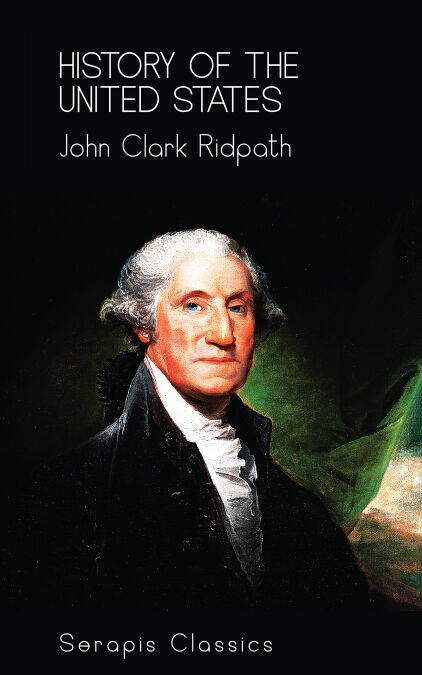
On the day after the assassination of Mr. Lincoln, Andrew Johnson took the oath of office, and became President of the United States. He was a native of Raleigh, North Carolina, born in 1808. With no advantages of education, he passed his boyhood in poverty and neglect. In 1828 he removed to Tennessee and settled at Greenville. Here, through toil and hardship, he rose to distinction, and after holding minor offices was elected to Congress. As a member of the United States Senate in 1860-61, he opposed secession with all his powers, and continued to hold his seat as senator from Tennessee. On the 4th of March, 1862, he was appointed military governor of that State. This office he held until 1864, and was then nominated for the Vice-Presidency. Now, by the death of the President, he was called to assume the responsibilities of chief magistrate. On the ist of February, 1865, Congress adopted an amendment to the Constitution by which slavery was abolished and forbidden in all the States and Territories of the Union. By the 18th of the following December the amendment had been ratified by the legislatures of twenty- seven States, and was duly proclaimed as a part of the Constitution. The Emancipation Proclamation had been issued as a military measure; now the doctrines and results of that instrument were recognized and incorporated in the fundamental law of the land. The problem of reconstruction of the Southern States was a most serious one and the Republican party came near splitting asunder over it. As early as 1863 President Lincoln had formulated a plan by which any seceding State might be restored to the Union if one-tenth of its voters of 1860 should take an oath to support the Constitution and the laws and should set ...
Specificaties
Betrokkenen
- Auteur(s):
- Uitgeverij:
Inhoud
- Aantal bladzijden:
- 121
- Taal:
- Engels
Eigenschappen
- Productcode (EAN):
- 9783963134432
- Verschijningsdatum:
- 11/11/2017
- Uitvoering:
- E-book
- Formaat:
- ePub


Alleen bij Standaard Boekhandel
Cadeau

AANGERADEN


Beoordelingen
We publiceren alleen reviews die voldoen aan de voorwaarden voor reviews. Bekijk onze voorwaarden voor reviews.