


- Afhalen na 1 uur in een winkel met voorraad
- Gratis thuislevering in België vanaf € 30
- Ruim aanbod met 7 miljoen producten
- Afhalen na 1 uur in een winkel met voorraad
- Gratis thuislevering in België vanaf € 30
- Ruim aanbod met 7 miljoen producten





€ 21,45
+ 42 punten
Omschrijving
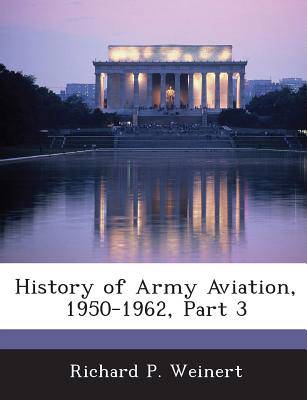
Army aviation has grown dramatically in both size and breadth of activities since its inception in 1942. No comprehensive history of this growth has appeared. This monograph attempts to delineate the activities of Army Ground Forces (AGF), the Office of the Chief of Army Field Forces (OCAFF), and the United States Continental Army Command (CONARC) in the development of the aviation program from 1950 to 1962. The period from 1950 to 1954witnessed a critical phase in the growth of Army aviation. During this period the helicopter first began to perform a major tactical role, combat experience in Korea pointed the way to future developments, and the formation of the Army Aviation School provided a firm training base for expansion. Following 1954, Army aviation not only introduced new aircraft which significantly improved its capability, but also began development of new doctrinal concepts. The work on helicopter armament and airmobile concepts provided the ground work for the large scale airmobile combat operations which the Army would conduct during the following decade. Because of the complexity of the subject, it has been necessary to organize this monograph topically rather than chronologically. Cross references are inserted where it is considered necessary to provide clarity.
Specificaties
Betrokkenen
- Auteur(s):
- Uitgeverij:
Inhoud
- Aantal bladzijden:
- 42
- Taal:
- Engels
Eigenschappen
- Productcode (EAN):
- 9781288723072
- Verschijningsdatum:
- 6/02/2013
- Uitvoering:
- Paperback
- Formaat:
- Trade paperback (VS)
- Afmetingen:
- 189 mm x 246 mm
- Gewicht:
- 95 g



Alleen bij Standaard Boekhandel
+ 42 punten op je klantenkaart van Standaard Boekhandel
Cadeau

AANGERADEN


Beoordelingen
We publiceren alleen reviews die voldoen aan de voorwaarden voor reviews. Bekijk onze voorwaarden voor reviews.