


- Afhalen na 1 uur in een winkel met voorraad
- Gratis thuislevering in België vanaf € 30
- Ruim aanbod met 7 miljoen producten
- Afhalen na 1 uur in een winkel met voorraad
- Gratis thuislevering in België vanaf € 30
- Ruim aanbod met 7 miljoen producten





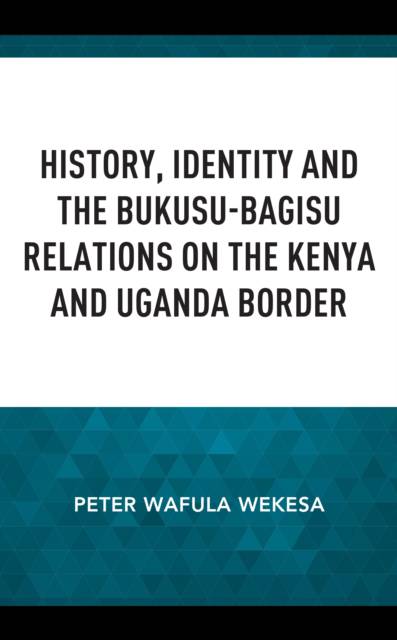
History, Identity and the Bukusu-Bagisu Relations on the Kenya and Uganda Border
Peter Wafula Wekesa
€ 186,95
+ 373 punten
Omschrijving
History, Identity, and the Bukusu-Bagisu Relations on the Kenya and Uganda Border analyzes issues of history, identity, and the Bukusu-Bagisu relations on the Kenya and Uganda border. From this microcosmic level, Peter Wafula Wekesa explores forms of trans-border social, economic, and political relations that have evolved between the two communities since the pre-colonial period. Utilizing both primary and secondary sources, Wekesa presents the context within which border relations between the two groups emerged and were transformed over time. This book delves into the history of relations between the two peoples that had long developed before the European colonial partition. The partition, as Wekesa observes, not only ignored African interests, but also generally entrenched western notions of the border that contradicted African conceptions of space. These western notions were augmented by the colonial and independent government policies that froze the historical solidarities that had existed between the two communities. However, colonial and independent government policies generated contradictions over the Bukusu-Bugisu borderland area that made the control of the interactions between the two communities within the distinct geopolitical spaces problematic. As such, both formal and informal dynamics made the common Bukusu-Bugisu borderland a site of numerous permutations.
Specificaties
Betrokkenen
- Auteur(s):
- Uitgeverij:
Inhoud
- Aantal bladzijden:
- 236
- Taal:
- Engels
- Reeks:
Eigenschappen
- Productcode (EAN):
- 9781666919240
- Verschijningsdatum:
- 15/03/2023
- Uitvoering:
- Hardcover
- Formaat:
- Genaaid
- Afmetingen:
- 152 mm x 229 mm
- Gewicht:
- 517 g


Alleen bij Standaard Boekhandel
+ 373 punten op je klantenkaart van Standaard Boekhandel
Cadeau

AANGERADEN


Beoordelingen
We publiceren alleen reviews die voldoen aan de voorwaarden voor reviews. Bekijk onze voorwaarden voor reviews.