


- Afhalen na 1 uur in een winkel met voorraad
- Gratis thuislevering in België vanaf € 30
- Ruim aanbod met 7 miljoen producten
- Afhalen na 1 uur in een winkel met voorraad
- Gratis thuislevering in België vanaf € 30
- Ruim aanbod met 7 miljoen producten





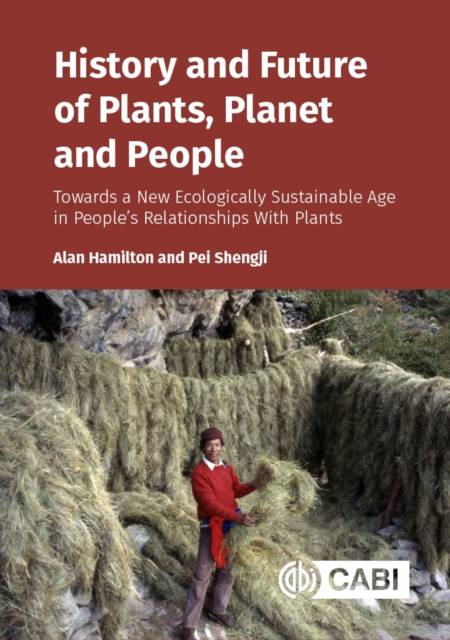
History and Future of Plants, Planet and People
Towards a New Ecologically Sustainable Age in Peopleôçös Relationships with Plants
Alan Hamilton, Pei Shengji
Paperback | Engels
€ 97,45
+ 194 punten
Uitvoering
Omschrijving
This fascinating book presents the experiences and pooled knowledge of two very different conservation scientists; Pei Shengji from Sichuan, China and Alan Hamilton from London, UK. They have been drawn together over many years through working on some of the same conservation projects and have discovered that they overlap in their ideas about the sorts of work that needs to be done and how it can best be carried out. The book describes some of their own experiences, set within the contexts of their varied careers and the development of their thinking.Plant conservation is crucial to the preservation of natural ecosystems, but conventional approaches have met with only limited success. The authors have concluded that plant conservationists need social allies - elements of society that have other primary concerns, but whose efforts, if successful, will bring benefits to plant conservation too.It is the state and condition of plants on the ground that ultimately matter in conserving ecosystems, and therefore it is the role of local people who interact directly with them which enables success. Ethnobotany is a key skill required of practical plant conservationists. Its techniques enable them to explore connections between people and plants, learn about local perspectives and establish relationships with the people upon whom conservation and sustainable development relies.This book: recommends how to advance plant conservation, based on real experiences. will inspire more people to become involved in plant conservation. demonstrates how the very different backgrounds of the authors have influenced the courses of their careers, but have enabled them to come to very similar conclusions about conservation practice. demonstrates the importance of geographically-based biocultural diversity, as a counterbalancing force to globalisation.
Specificaties
Betrokkenen
- Auteur(s):
- Uitgeverij:
Inhoud
- Aantal bladzijden:
- 448
- Taal:
- Engels
Eigenschappen
- Productcode (EAN):
- 9781836993285
- Verschijningsdatum:
- 23/12/2025
- Uitvoering:
- Paperback
- Formaat:
- Trade paperback (VS)
- Afmetingen:
- 170 mm x 244 mm
- Gewicht:
- 943 g


Alleen bij Standaard Boekhandel
+ 194 punten op je klantenkaart van Standaard Boekhandel
Cadeau

AANGERADEN


Beoordelingen
We publiceren alleen reviews die voldoen aan de voorwaarden voor reviews. Bekijk onze voorwaarden voor reviews.