


- Afhalen na 1 uur in een winkel met voorraad
- Gratis thuislevering in België vanaf € 30
- Ruim aanbod met 7 miljoen producten
- Afhalen na 1 uur in een winkel met voorraad
- Gratis thuislevering in België vanaf € 30
- Ruim aanbod met 7 miljoen producten





€ 1,99
+ 1 punten
Eenvoudig bestellen
Veilig betalen


Onmiddellijk geleverd via e-mail
Omschrijving
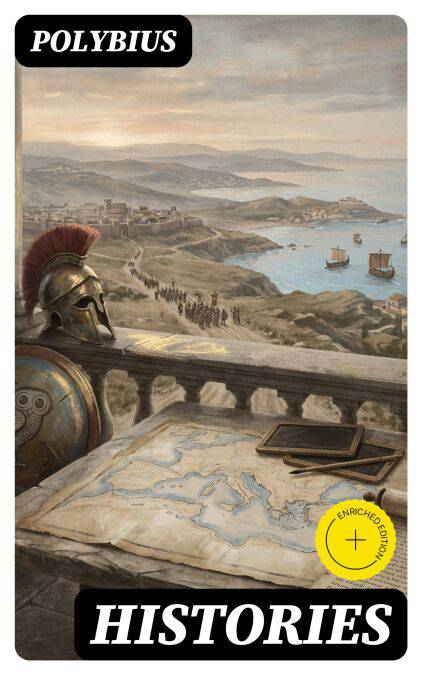
In his seminal work, "Histories," Polybius employs a meticulous narrative style that intertwines factual history with political analysis, offering an insightful examination of the rise of the Roman Republic and its transformation into a dominant power. Written in the aftermath of the Punic Wars, Polybius's accounts are distinguished by his use of primary sources and firsthand experience, reflecting the complexities of warfare, governance, and cultural exchanges. His historiographical method emphasizes cause and effect, aiming to uncover the underlying mechanisms that enable political regimes to thrive or falter within the broader context of Hellenistic geopolitics. Polybius, a Greek historian and statesman of the Hellenistic period, serves as a vital link between Greek and Roman historiography. His experiences as a political prisoner in Rome significantly informed his perspectives, imbuing his work with a unique blend of both reverence for Greek culture and an appreciation for the burgeoning power of Rome. This duality is reflected throughout his narrative as he critically examines the strengths and weaknesses of different governmental systems and their relevance in shaping historical outcomes. Recommended for students of history, political science, and classics, "Histories" offers a compelling narrative that not only chronicles events but also stimulates critical thinking regarding the nature of power and governance. Polybius's rigorous analyses remain relevant today, making this work an essential read for anyone seeking to understand the foundational moments of Western civilization.
In this enriched edition, we have carefully created added value for your reading experience:
- A succinct Introduction situates the work's timeless appeal and themes.
- The Synopsis outlines the central plot, highlighting key developments without spoiling critical twists.
- A detailed Historical Context immerses you in the era's events and influences that shaped the writing.
- An Author Biography reveals milestones in the author's life, illuminating the personal insights behind the text.
- A thorough Analysis dissects symbols, motifs, and character arcs to unearth underlying meanings.
- Reflection questions prompt you to engage personally with the work's messages, connecting them to modern life.
- Hand‐picked Memorable Quotes shine a spotlight on moments of literary brilliance.
- Interactive footnotes clarify unusual references, historical allusions, and archaic phrases for an effortless, more informed read.
In this enriched edition, we have carefully created added value for your reading experience:
- A succinct Introduction situates the work's timeless appeal and themes.
- The Synopsis outlines the central plot, highlighting key developments without spoiling critical twists.
- A detailed Historical Context immerses you in the era's events and influences that shaped the writing.
- An Author Biography reveals milestones in the author's life, illuminating the personal insights behind the text.
- A thorough Analysis dissects symbols, motifs, and character arcs to unearth underlying meanings.
- Reflection questions prompt you to engage personally with the work's messages, connecting them to modern life.
- Hand‐picked Memorable Quotes shine a spotlight on moments of literary brilliance.
- Interactive footnotes clarify unusual references, historical allusions, and archaic phrases for an effortless, more informed read.
Specificaties
Betrokkenen
- Auteur(s):
- Vertaler(s):
- Uitgeverij:
Inhoud
- Aantal bladzijden:
- 1083
- Taal:
- Engels
Eigenschappen
- Productcode (EAN):
- 8596547395201
- Verschijningsdatum:
- 12/11/2022
- Uitvoering:
- E-book
- Beveiligd met:
- Digital watermarking
- Formaat:
- ePub


Alleen bij Standaard Boekhandel
+ 1 punten op je klantenkaart van Standaard Boekhandel
CADEAU

AANGERADEN


Beoordelingen
We publiceren alleen reviews die voldoen aan de voorwaarden voor reviews. Bekijk onze voorwaarden voor reviews.