


- Afhalen na 1 uur in een winkel met voorraad
- Gratis thuislevering in België vanaf € 30
- Ruim aanbod met 7 miljoen producten
- Afhalen na 1 uur in een winkel met voorraad
- Gratis thuislevering in België vanaf € 30
- Ruim aanbod met 7 miljoen producten





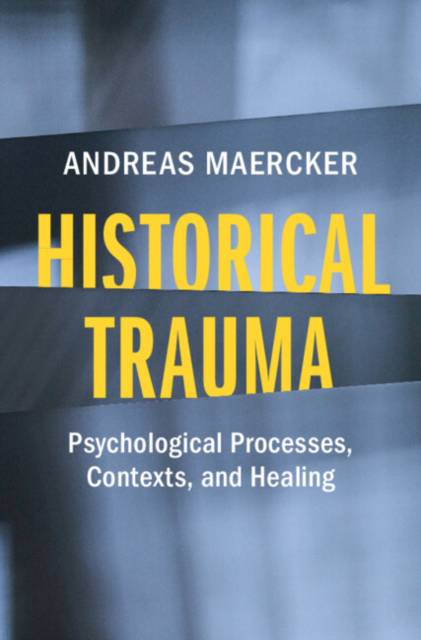
Historical Trauma
Psychological Processes, Contexts, and Healing
Andreas Maercker
Paperback | Engels
€ 64,95
+ 129 punten
Uitvoering
Omschrijving
Historical trauma is a relatively new yet crucial area of study within psychology, history, and related disciplines. This book introduces the concept of historical trauma by providing a comprehensive overview of the latest vocabulary, seminal psychological concepts, and quantitative research in the field. By drawing together cross-disciplinary threads and examining eight global contexts of historical trauma, the author highlights a wide-ranging and rigorous body of research that further adds to our clinical understanding of the possible long-term effects of collective trauma. The chapters also explore remedies against the historical effects of trauma, which tend to go far beyond psycho-therapeutic interventions, especially when they are dedicated to the culture of remembrance or empowerment for disadvantaged young people. By revealing a wealth of new ideas that point to a pivotal moment in the evolution of social sciences, this volume can help transform the way psychologists serve victimized communities around the world.
Specificaties
Betrokkenen
- Auteur(s):
- Uitgeverij:
Inhoud
- Aantal bladzijden:
- 334
- Taal:
- Engels
Eigenschappen
- Productcode (EAN):
- 9781009629775
- Verschijningsdatum:
- 4/12/2025
- Uitvoering:
- Paperback
- Formaat:
- Trade paperback (VS)
- Afmetingen:
- 152 mm x 229 mm
- Gewicht:
- 449 g


Alleen bij Standaard Boekhandel
+ 129 punten op je klantenkaart van Standaard Boekhandel
Cadeau

AANGERADEN


Beoordelingen
We publiceren alleen reviews die voldoen aan de voorwaarden voor reviews. Bekijk onze voorwaarden voor reviews.