


- Afhalen na 1 uur in een winkel met voorraad
- Gratis thuislevering in België vanaf € 30
- Ruim aanbod met 7 miljoen producten
- Afhalen na 1 uur in een winkel met voorraad
- Gratis thuislevering in België vanaf € 30
- Ruim aanbod met 7 miljoen producten





€ 63,45
+ 126 punten
Omschrijving
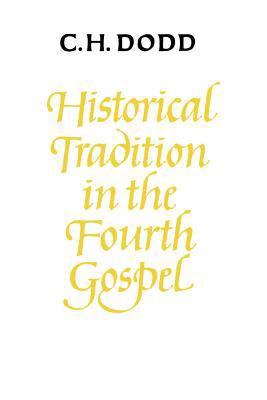
To distinguish between history and interpretation is difficult in all the gospels, and perhaps most difficult in the Fourth Gospel. In his sequel to The Interpretation of the Fourth Gospel, Dr Dodd attempts, with the historical question in mind, to discover the particular strain of common tradition on which the unknown author worked. This detailed study of St John's Gospel is in two parts. In the first Dr Dodd examines the narrative material - the Passion narrative, the Ministry and the chapters on John the Baptist and the first disciples - and in the second he makes a detailed examination of the Sayings. As against theories which assert the dependence of the Fourth Gospel on one or more of the Synoptic Gospels, Dr Dodd marshals a mass of evidence to show that behind it there lies an ancient tradition independent of the Synoptic Gospels, deserving serious consideration as a contribution to our knowledge of the historical facts concerning Christ. This critical and historical investigation of the most significant and original of books completes Dr Dodd's study of the Fourth Gospel. It is persuasive in the coherence of its results, as well as of absorbing interest in its working. It has been welcomed by all students of Christian origins as an important addition to our understanding of the earliest traditions about Jesus, and of the character of this Gospel.
Specificaties
Betrokkenen
- Auteur(s):
- Uitgeverij:
Inhoud
- Aantal bladzijden:
- 468
- Taal:
- Engels
Eigenschappen
- Productcode (EAN):
- 9780521291231
- Verschijningsdatum:
- 29/10/1976
- Uitvoering:
- Paperback
- Formaat:
- Trade paperback (VS)
- Afmetingen:
- 164 mm x 229 mm
- Gewicht:
- 684 g


Alleen bij Standaard Boekhandel
+ 126 punten op je klantenkaart van Standaard Boekhandel
Cadeau

AANGERADEN


Beoordelingen
We publiceren alleen reviews die voldoen aan de voorwaarden voor reviews. Bekijk onze voorwaarden voor reviews.