


- Afhalen na 1 uur in een winkel met voorraad
- Gratis thuislevering in België vanaf € 30
- Ruim aanbod met 7 miljoen producten
- Afhalen na 1 uur in een winkel met voorraad
- Gratis thuislevering in België vanaf € 30
- Ruim aanbod met 7 miljoen producten





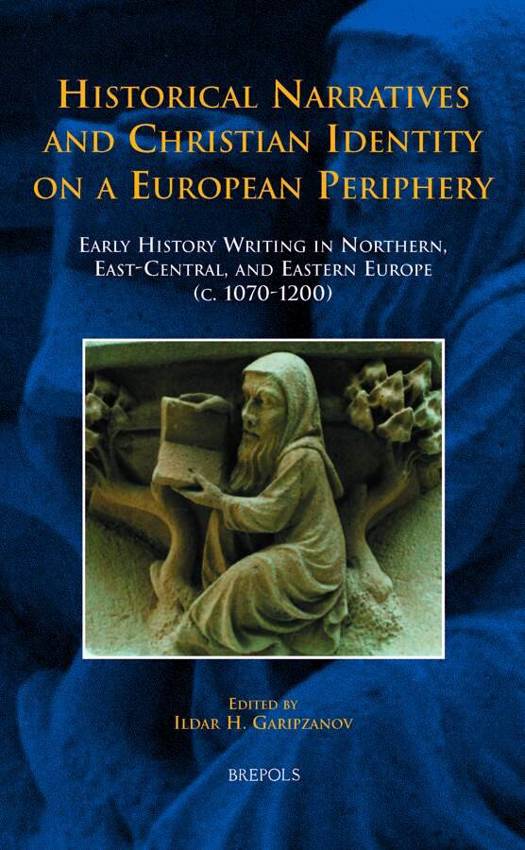
Historical Narratives and Christian Identity on a European Periphery
Early History Writing in Northern, East-Central, and Eastern Europe (C.1070-1200)
Ildar H. Garipzanov
€ 95,40
+ 190 punten
Omschrijving
This volume presents the first comprehensive overview of the major early historical narratives created in Northern, East-Central, and Eastern Europe between c. 1070 and c. 1200, with each chapter providing a short introduction to the narrative in question. Most chapters are written by established experts in their fields, who have published critical editions of the discussed narratives, their English translations, or analytical works dealing with early history writing in corresponding regions. However, the volume is more than just a summary of various narratives. Despite being written in such different languages as Latin, Old Norse, and Old Church Slavonic, these narratives played similar roles for their reading audiences, in that they were crucial in the construction of Christian identity in the lands recently converted to Christianity. The thirteen authors contemplate the extent to which this identity formation affected the nature of narrativity in these early historical works. The authors ask how the pagan past and Christian present were incorporated in the texture of the narratives, and address the relative importance of classical and biblical models for their composition and structure. By addressing such questions, the volume offers medievalists a coherent comparative study of early history writing in the peripheral regions of medieval Europe in the first centuries after conversion.
Specificaties
Betrokkenen
- Auteur(s):
- Uitgeverij:
Inhoud
- Aantal bladzijden:
- 305
- Taal:
- Engels
- Reeks:
- Reeksnummer:
- nr. 26
Eigenschappen
- Productcode (EAN):
- 9782503533674
- Verschijningsdatum:
- 20/09/2011
- Uitvoering:
- Hardcover
- Formaat:
- Genaaid
- Afmetingen:
- 155 mm x 236 mm
- Gewicht:
- 635 g



Alleen bij Standaard Boekhandel
+ 190 punten op je klantenkaart van Standaard Boekhandel
Cadeau

AANGERADEN


Beoordelingen
We publiceren alleen reviews die voldoen aan de voorwaarden voor reviews. Bekijk onze voorwaarden voor reviews.