


- Afhalen na 1 uur in een winkel met voorraad
- Gratis thuislevering in België vanaf € 30
- Ruim aanbod met 7 miljoen producten
- Afhalen na 1 uur in een winkel met voorraad
- Gratis thuislevering in België vanaf € 30
- Ruim aanbod met 7 miljoen producten





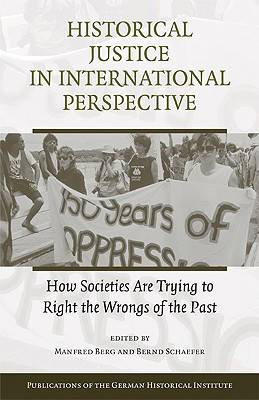
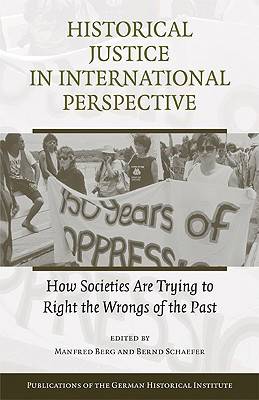
Historical Justice Intl Perspective
How Societies Are Trying to Right the Wrongs of the Past
€ 83,95
+ 167 punten
Eenvoudig bestellen
Veilig betalen


Gratis thuislevering vanaf € 30 (via bpost)
Gratis levering in je Standaard Boekhandel
Omschrijving
This book makes a valuable contribution to recent debates on redress for historical injustices by offering case studies from nine countries on five continents. The contributors examine the problems of material restitution, criminal justice, apologies, recognition, memory, and reconciliation in national contexts as well as in comparative perspective. Among the topics discussed are the claims for reparations for slavery in the United States, West German restitution for the Holocaust, the South African Truth and Reconciliation Commission, the efforts to prosecute the perpetrators of the Khmer Rouge's mass murders in Cambodia, and the struggles of the indigenous people of Australia and New Zealand. The book highlights the diversity of the ways societies have tried to right past wrongs as the demand for historical justice has become universal.
Specificaties
Betrokkenen
- Uitgeverij:
Inhoud
- Aantal bladzijden:
- 332
- Taal:
- Engels
- Reeks:
Eigenschappen
- Productcode (EAN):
- 9780521876834
- Verschijningsdatum:
- 27/10/2008
- Uitvoering:
- Hardcover
- Formaat:
- Ongenaaid / garenloos gebonden
- Afmetingen:
- 161 mm x 237 mm
- Gewicht:
- 594 g

Alleen bij Standaard Boekhandel
+ 167 punten op je klantenkaart van Standaard Boekhandel
CADEAU

AANGERADEN


Beoordelingen
We publiceren alleen reviews die voldoen aan de voorwaarden voor reviews. Bekijk onze voorwaarden voor reviews.