


- Afhalen na 1 uur in een winkel met voorraad
- Gratis thuislevering in België vanaf € 30
- Ruim aanbod met 7 miljoen producten
- Afhalen na 1 uur in een winkel met voorraad
- Gratis thuislevering in België vanaf € 30
- Ruim aanbod met 7 miljoen producten





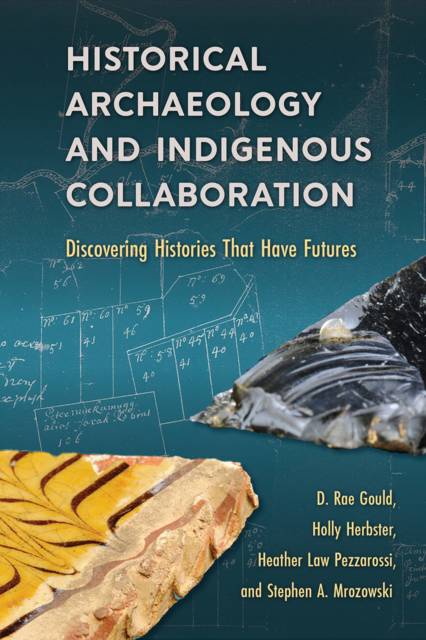
Historical Archaeology and Indigenous Collaboration
Discovering Histories That Have Futures
D Rae Gould, Holly Herbster, Heather Law Pezzarossi
Hardcover | Engels
€ 129,95
+ 259 punten
Uitvoering
Omschrijving
Highlighting the strong relationship between New England's Nipmuc people and their land from the pre-contact period to the present day, this book helps demonstrate that the history of Native Americans did not end with the arrival of Europeans. This is the rich result of a twenty-year collaboration between indigenous and nonindigenous authors, who use their own example to argue that Native peoples need to be integral to any research project focused on indigenous history and culture. The stories traced in this book center around three Nipmuc archaeological sites in Massachusetts-the seventeenth century town of Magunkaquog, the Sarah Boston Farmstead in Hassanamesit Woods, and the Cisco Homestead on the Hassanamisco Reservation. The authors bring together indigenous oral histories, historical documents, and archaeological evidence to show how the Nipmuc people outlasted armed conflict and Christianization efforts instigated by European colonists. Exploring key issues of continuity, authenticity, and identity, Historical Archaeology and Indigenous Collaboration provides a model for research projects that seek to incorporate indigenous knowledge and scholarship.
Specificaties
Betrokkenen
- Auteur(s):
- Uitgeverij:
Inhoud
- Aantal bladzijden:
- 224
- Taal:
- Engels
Eigenschappen
- Productcode (EAN):
- 9780813066219
- Verschijningsdatum:
- 7/01/2020
- Uitvoering:
- Hardcover
- Formaat:
- Genaaid
- Afmetingen:
- 152 mm x 229 mm
- Gewicht:
- 467 g



Alleen bij Standaard Boekhandel
+ 259 punten op je klantenkaart van Standaard Boekhandel
Cadeau

AANGERADEN


Beoordelingen
We publiceren alleen reviews die voldoen aan de voorwaarden voor reviews. Bekijk onze voorwaarden voor reviews.