


- Afhalen na 1 uur in een winkel met voorraad
- Gratis thuislevering in België vanaf € 30
- Ruim aanbod met 7 miljoen producten
- Afhalen na 1 uur in een winkel met voorraad
- Gratis thuislevering in België vanaf € 30
- Ruim aanbod met 7 miljoen producten





Omschrijving
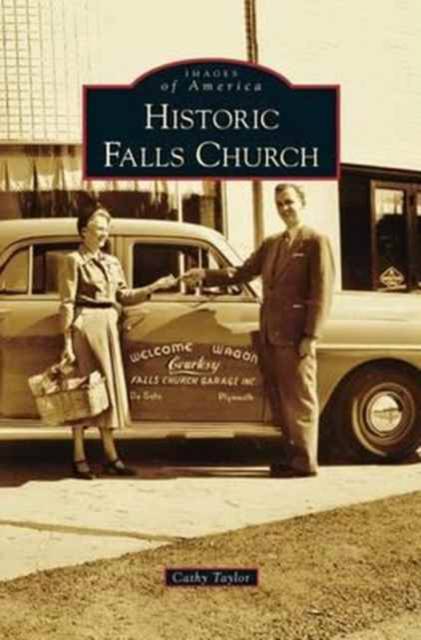
Fertile soil and abundant streams at former Indian cross trails provided ideal farmland around a prominent 18th-century-era church that gave the town of Falls Church its name. The first known home, Big Chimneys, was built around 1699. A mere seven miles from downtown Washington, DC, Falls Church sat close enough to witness the nation's capital burn during the War of 1812. Once the largest farm population center in what was then Fairfax County, Falls Church has slowly evolved over the past three centuries. The town has seen the coming of Revolutionary independence and was transformed by the Civil War. Since 1900, residents have experienced the growth of the post-World War II suburban ideal and felt the impact of the civil rights movement, ultimately developing Falls Church into a unique town with established religious, educational, and civic institutions amidst urban sprawl.
Specificaties
Betrokkenen
- Auteur(s):
- Uitgeverij:
Inhoud
- Aantal bladzijden:
- 130
- Taal:
- Engels
Eigenschappen
- Productcode (EAN):
- 9781531662622
- Verschijningsdatum:
- 10/09/2012
- Uitvoering:
- Hardcover
- Formaat:
- Genaaid
- Afmetingen:
- 170 mm x 244 mm
- Gewicht:
- 412 g


Alleen bij Standaard Boekhandel
+ 88 punten op je klantenkaart van Standaard Boekhandel
Cadeau

AANGERADEN


Beoordelingen
We publiceren alleen reviews die voldoen aan de voorwaarden voor reviews. Bekijk onze voorwaarden voor reviews.