


- Afhalen na 1 uur in een winkel met voorraad
- Gratis thuislevering in België vanaf € 30
- Ruim aanbod met 7 miljoen producten
- Afhalen na 1 uur in een winkel met voorraad
- Gratis thuislevering in België vanaf € 30
- Ruim aanbod met 7 miljoen producten





€ 73,95
+ 147 punten
Uitvoering
Omschrijving
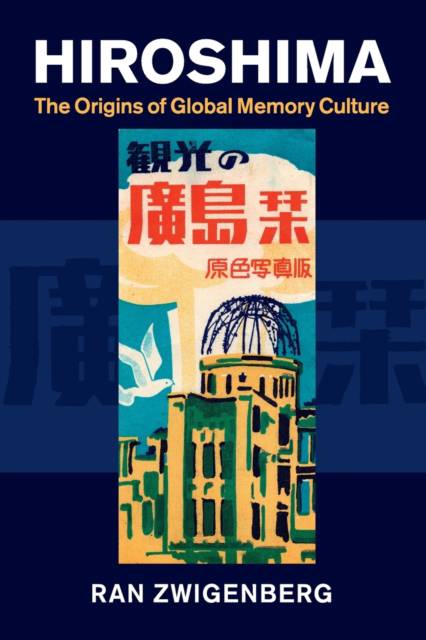
In 1962, a Hiroshima peace delegation and an Auschwitz survivor's organization exchanged relics and testimonies, including the bones and ashes of Auschwitz victims. This symbolic encounter, in which the dead were literally conscripted in the service of the politics of the living, serves as a cornerstone of this volume, capturing how memory was utilized to rebuild and redefine a shattered world. This is a powerful study of the contentious history of remembrance and the commemoration of the atomic bomb in Hiroshima in the context of the global development of Holocaust and World War II memory. Emphasizing the importance of nuclear issues in the 1950s and 1960s, Zwigenberg traces the rise of global commemoration culture through the reconstruction of Hiroshima as a 'City of Bright Peace', memorials and museums, global tourism, developments in psychiatry, and the emergence of the figure of the survivor-witness and its consequences for global memory practices.
Specificaties
Betrokkenen
- Auteur(s):
- Uitgeverij:
Inhoud
- Aantal bladzijden:
- 348
- Taal:
- Engels
Eigenschappen
- Productcode (EAN):
- 9781107416598
- Verschijningsdatum:
- 25/02/2016
- Uitvoering:
- Paperback
- Formaat:
- Trade paperback (VS)
- Afmetingen:
- 152 mm x 229 mm
- Gewicht:
- 467 g


Alleen bij Standaard Boekhandel
+ 147 punten op je klantenkaart van Standaard Boekhandel
Cadeau

AANGERADEN


Beoordelingen
We publiceren alleen reviews die voldoen aan de voorwaarden voor reviews. Bekijk onze voorwaarden voor reviews.