


- Afhalen na 1 uur in een winkel met voorraad
- Gratis thuislevering in België vanaf € 30
- Ruim aanbod met 7 miljoen producten
- Afhalen na 1 uur in een winkel met voorraad
- Gratis thuislevering in België vanaf € 30
- Ruim aanbod met 7 miljoen producten





€ 39,95
+ 79 punten
Omschrijving
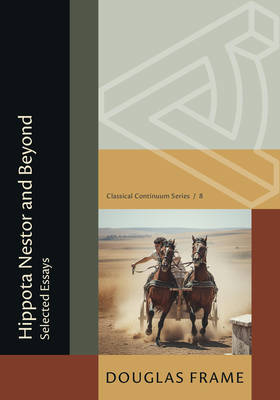
In Hippota Nestor and Beyond: Selected Essays, Douglas Frame revisits the Homeric figure of Nestor, who he argues derives from twin figures in Indo-European myth, and dates the composition and performance of the Iliad and Odyssey to the late eighth or early seventh century BCE at a festival of twelve Ionian cities in Asia Minor. Frame takes up subjects such as the evidence for Nestor's Indo-European origins; the related origins of the Greek word noos, "mind"; the Phaeacians in the Odyssey as the key to the circumstances in which the Homeric poems were created; Nestor's role connecting the two poems into a one whole. Other essays in the collect break new ground with respect to the circumstances of the poems' performance; the purpose of the poems in their historical setting; the relation of the poems to other poetic monuments of the time; the reception of the poems in the Greek mainland after their origin in Ionia; and a closer tracking of the Indo-European origins of the figure hippota Nestor, "the horseman Nestor," in light of the invention of the chariot in the Russian steppes c. 2000 BCE.
Specificaties
Betrokkenen
- Auteur(s):
- Uitgeverij:
Inhoud
- Aantal bladzijden:
- 290
- Taal:
- Engels
- Reeks:
Eigenschappen
- Productcode (EAN):
- 9780674305540
- Verschijningsdatum:
- 18/08/2026
- Uitvoering:
- Paperback
- Formaat:
- Trade paperback (VS)
- Afmetingen:
- 146 mm x 210 mm


Alleen bij Standaard Boekhandel
+ 79 punten op je klantenkaart van Standaard Boekhandel
Cadeau

AANGERADEN


Beoordelingen
We publiceren alleen reviews die voldoen aan de voorwaarden voor reviews. Bekijk onze voorwaarden voor reviews.