


- Afhalen na 1 uur in een winkel met voorraad
- Gratis thuislevering in België vanaf € 30
- Ruim aanbod met 7 miljoen producten
- Afhalen na 1 uur in een winkel met voorraad
- Gratis thuislevering in België vanaf € 30
- Ruim aanbod met 7 miljoen producten





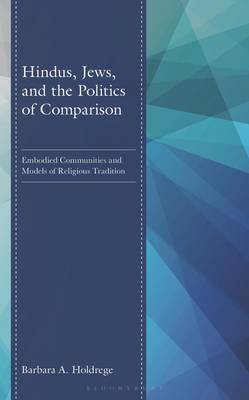
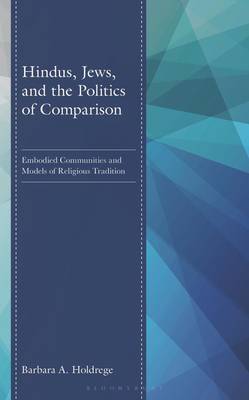
Hindus, Jews, and the Politics of Comparison
Embodied Communities and Models of Religious Tradition
Barbara A Holdrege
€ 220,45
+ 440 punten
Omschrijving
In Hindus, Jews, and the Politics of Comparison: Embodied Communities and Models of Religious Tradition, Barbara A. Holdrege emphasizes the role of comparative study as a method of critical interrogation that can serve as a means to challenge hegemonic taxonomies and categories in the academy and to reconstitute our scholarly discourse to allow for a multiplicity of epistemologies. Holdrege provides an extended series of reflections on the politics, problematics, and dynamics of comparison in which she explores how certain analytical categories in the study of religion-such as the body, scripture, sacrifice, purity, and food-can be fruitfully reimagined through a comparative analysis of their Hindu and Jewish instantiations. The author argues that this re-visioning of analytical categories through sustained comparative historical studies of a range of Hindu and Jewish traditions can provide the basis for generating alternative imaginaries to the prevailing Eurocentric and Protestant-based paradigms in the academy that have perpetuated the ideals of Enlightenment discourse and colonial and neocolonial projects. Such studies can serve as an important corrective to the scholarly practices through which certain categories and models have been privileged over others in the social sciences and humanities and in religious studies more specifically.
Specificaties
Betrokkenen
- Auteur(s):
- Uitgeverij:
Inhoud
- Aantal bladzijden:
- 312
- Taal:
- Engels
- Reeks:
Eigenschappen
- Productcode (EAN):
- 9781666932157
- Verschijningsdatum:
- 2/04/2026
- Uitvoering:
- Hardcover
- Formaat:
- Genaaid
- Afmetingen:
- 152 mm x 229 mm
- Gewicht:
- 585 g


Alleen bij Standaard Boekhandel
+ 440 punten op je klantenkaart van Standaard Boekhandel
Cadeau

AANGERADEN


Beoordelingen
We publiceren alleen reviews die voldoen aan de voorwaarden voor reviews. Bekijk onze voorwaarden voor reviews.