


- Afhalen na 1 uur in een winkel met voorraad
- Gratis thuislevering in België vanaf € 30
- Ruim aanbod met 7 miljoen producten
- Afhalen na 1 uur in een winkel met voorraad
- Gratis thuislevering in België vanaf € 30
- Ruim aanbod met 7 miljoen producten




Omschrijving
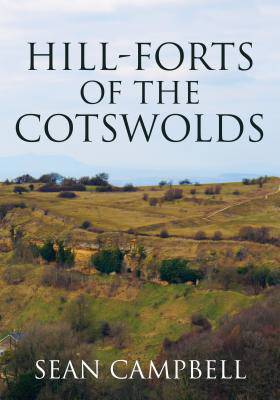
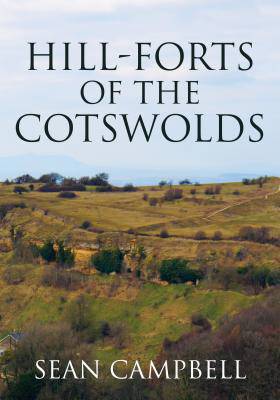
Hill-forts are magnificent enclosures that were built around the late Bronze Age and Iron Age (c. 700-100 BC). There were many designs built and positions that these structures were situated, and many interpretations as to why. There are many forts located in Gloucestershire and nearby areas, with some great earthworks still clearly visible in today's landscape. Hill-Forts of the Cotswolds give a detailed background to these monuments, such as how they were structured, what materials were used to build them and the different defences built to protect the sites. Highlighting some of the interpretations from historians as to their original purpose, hand-drawn illustrations, maps and photographs are utilised to give a fascinating overview of the area. It then gives an A-Z guide to each of the thirty-four known enclosures in the Gloucestershire area, with information on location, height above sea level, positioning and shape, as well as my personal interpretation of each site, and what can be seen when visiting these areas. I hope this book will encourage others to explore and learn more about these fantastic monuments, and their remains which can be still seen standing today.
Specificaties
Betrokkenen
- Auteur(s):
- Uitgeverij:
Inhoud
- Aantal bladzijden:
- 96
- Taal:
- Engels
Eigenschappen
- Productcode (EAN):
- 9781445660028
- Verschijningsdatum:
- 15/10/2016
- Uitvoering:
- Paperback
- Formaat:
- Trade paperback (VS)
- Afmetingen:
- 165 mm x 231 mm
- Gewicht:
- 294 g


Alleen bij Standaard Boekhandel
+ 44 punten op je klantenkaart van Standaard Boekhandel
AANGERADEN


Beoordelingen
We publiceren alleen reviews die voldoen aan de voorwaarden voor reviews. Bekijk onze voorwaarden voor reviews.