


- Afhalen na 1 uur in een winkel met voorraad
- Gratis thuislevering in België vanaf € 30
- Ruim aanbod met 7 miljoen producten
- Afhalen na 1 uur in een winkel met voorraad
- Gratis thuislevering in België vanaf € 30
- Ruim aanbod met 7 miljoen producten





€ 48,45
+ 96 punten
Omschrijving
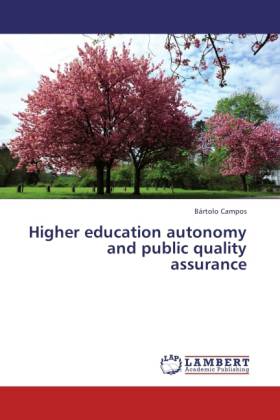
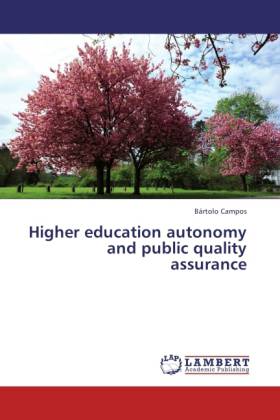
Accreditation of higher education institutions is a policy measure used to find a balance between their autonomy and public assurance concerning the quality of the qualifications they award. From the point of view of this balance of power, this text analyses the process of development of the Portuguese accreditation system aimed at providing public assurance that initial teacher education programmes were more driven by social demand, namely by the changing school education needs. This was a political and cultural process rather than a merely rational and technical one.The implementation of the accreditation system means a significant change for higher education institutions which implies new practices and comes into conflict with some of their values and with power sharing within and among them and with society.The way in which Government, the accreditation body and the significant stakeholders exercised their power in this process influenced the characteristics of the system,the rhythm of its implementation and the abrupt governmental decision to put it on standby
Specificaties
Betrokkenen
- Auteur(s):
- Uitgeverij:
Inhoud
- Aantal bladzijden:
- 56
- Taal:
- Engels
Eigenschappen
- Productcode (EAN):
- 9783845412672
- Verschijningsdatum:
- 15/07/2011
- Uitvoering:
- Paperback
- Afmetingen:
- 150 mm x 220 mm
- Gewicht:
- 91 g


Alleen bij Standaard Boekhandel
+ 96 punten op je klantenkaart van Standaard Boekhandel
Cadeau

AANGERADEN


Beoordelingen
We publiceren alleen reviews die voldoen aan de voorwaarden voor reviews. Bekijk onze voorwaarden voor reviews.