



- Afhalen na 1 uur in een winkel met voorraad
- In januari gratis thuislevering in België
- Ruim aanbod met 7 miljoen producten
- Afhalen na 1 uur in een winkel met voorraad
- In januari gratis thuislevering in België
- Ruim aanbod met 7 miljoen producten





€ 168,95
+ 337 punten
Omschrijving
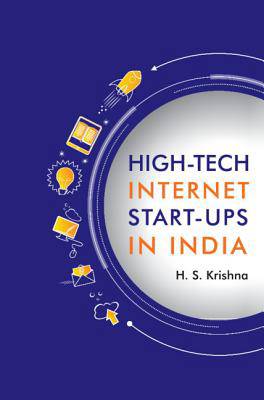
Technology entrepreneurship has been receiving growing importance as an effective instrument to promote national economic growth, both from empirical researchers and policymakers. India has emerged as the third largest base for high-tech start-ups in the world. Although there is a surge in start-up creation rates in India, little is known about factors required for these start-ups to survive, sustain and grow into large enterprises, particularly in the context of emerging economies like India. This book reviews the entrepreneurial, firm-specific and external environment-specific aspects that influence the key lifecycle stages of high-tech start-ups and identifies the key factors that influence each milestone. Existing literature in this subject has limited studies on the structure of the high-tech start-up sector and processes and strategies adapted by them. This book aims to address this gap, analyzing case studies and empirical data, and provides a multidimensional framework to understand the life cycle of high-tech start-ups.
Specificaties
Betrokkenen
- Auteur(s):
- Uitgeverij:
Inhoud
- Aantal bladzijden:
- 282
- Taal:
- Engels
Eigenschappen
- Productcode (EAN):
- 9781108485388
- Verschijningsdatum:
- 24/10/2019
- Uitvoering:
- Hardcover
- Formaat:
- Genaaid
- Afmetingen:
- 166 mm x 238 mm
- Gewicht:
- 498 g


Alleen bij Standaard Boekhandel
+ 337 punten op je klantenkaart van Standaard Boekhandel
Cadeau

AANGERADEN


Beoordelingen
We publiceren alleen reviews die voldoen aan de voorwaarden voor reviews. Bekijk onze voorwaarden voor reviews.