


- Afhalen na 1 uur in een winkel met voorraad
- Gratis thuislevering in België vanaf € 30
- Ruim aanbod met 7 miljoen producten
- Afhalen na 1 uur in een winkel met voorraad
- Gratis thuislevering in België vanaf € 30
- Ruim aanbod met 7 miljoen producten





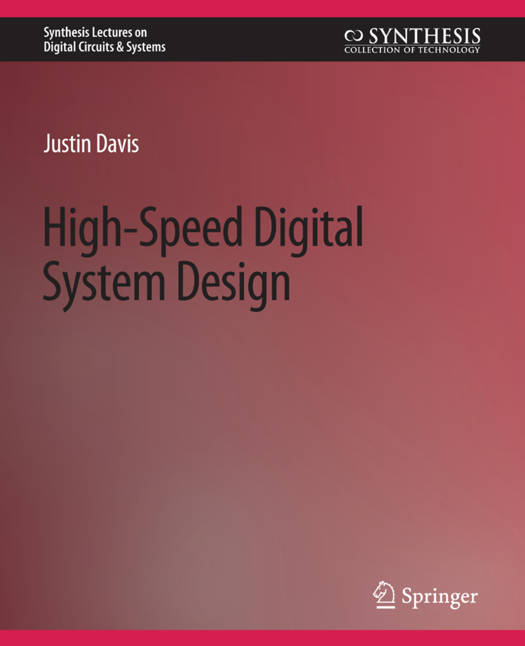
High-Speed Digital System Design
Justin Davis
€ 35,95
+ 71 punten
Omschrijving
High-Speed Digital System Design bridges the gap from theory to implementation in the real world. Systems with clock speeds in low megahertz range qualify for high-speed. Proper design results in quality digital transmissions and lowers the chance for errors. This book is for computer and electrical engineers who may or may not have learned electromagnetic theory. The presentation style allows readers to quickly begin designing their own high-speed systems and diagnosing existing designs for errors. After studying this book, readers will be able to:Design the power distribution system for a printed circuit board to minimize noisePlan the layers of a PCB for signals, power, and ground to maximize signal quality and minimize noiseInclude test structures in the printed circuit board to easily diagnose manufacturing mistakesChoose the best PCB design parameters such a trace width, height,and routed path to ensure the most stable characteristic impedanceDetermine the correct termination to minimize reflectionsPredict the delay caused by a given PCB traceMinimize driver power consumption using AC terminationsCompensate for discontinuities along a PCB traceUse pre-emphasis and equalization techniques to counteract lossy transmission linesDetermine the amount of crosstalk between two tracesDiagnose existing PCBs to determine the sources of errors
Specificaties
Betrokkenen
- Auteur(s):
- Uitgeverij:
Inhoud
- Aantal bladzijden:
- 87
- Taal:
- Engels
- Reeks:
Eigenschappen
- Productcode (EAN):
- 9783031797392
- Verschijningsdatum:
- 31/12/2007
- Uitvoering:
- Paperback
- Afmetingen:
- 191 mm x 235 mm


Alleen bij Standaard Boekhandel
+ 71 punten op je klantenkaart van Standaard Boekhandel
Cadeau

AANGERADEN


Beoordelingen
We publiceren alleen reviews die voldoen aan de voorwaarden voor reviews. Bekijk onze voorwaarden voor reviews.