


- Afhalen na 1 uur in een winkel met voorraad
- Gratis thuislevering in België vanaf € 30
- Ruim aanbod met 7 miljoen producten
- Afhalen na 1 uur in een winkel met voorraad
- Gratis thuislevering in België vanaf € 30
- Ruim aanbod met 7 miljoen producten





€ 201,95
+ 403 punten
Omschrijving
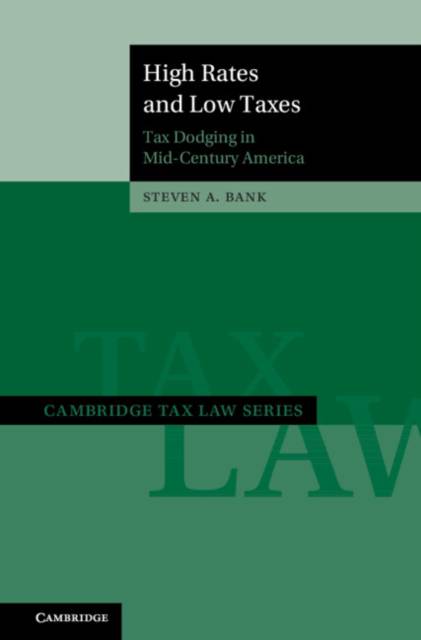
Amidst calls for a return to the high tax rates of the 1950s and 60s, this book examines the tax dodging that accompanied it. Lacking political will to lower the rate, Congress riddled the laws with loopholes, exemptions, and preferences, while largely accepting income tax chiseling's rise in American culture. The rich and famous openly invested in tax shelters and de-camped to exotic tax havens, executives revamped the compensation and retirement schemes of their corporations to suit their tax needs, and an industry of tax advisers developed to help the general public engage in their own form of tax dodging through exaggerated expense accounts, luxurious business travel on the taxpayer's dime, and self-help books on 'how the insider's get rich on tax-wise' investments. Tax dodging was a part of almost every restaurant bill, feature film, and savings account. It was literally woven into the fabric of society.
Specificaties
Betrokkenen
- Auteur(s):
- Uitgeverij:
Inhoud
- Aantal bladzijden:
- 310
- Taal:
- Engels
- Reeks:
Eigenschappen
- Productcode (EAN):
- 9781009701952
- Verschijningsdatum:
- 9/04/2026
- Uitvoering:
- Hardcover
- Formaat:
- Genaaid
- Afmetingen:
- 152 mm x 229 mm
- Gewicht:
- 585 g


Alleen bij Standaard Boekhandel
+ 403 punten op je klantenkaart van Standaard Boekhandel
Cadeau

AANGERADEN


Beoordelingen
We publiceren alleen reviews die voldoen aan de voorwaarden voor reviews. Bekijk onze voorwaarden voor reviews.