


- Afhalen na 1 uur in een winkel met voorraad
- Gratis thuislevering in België vanaf € 30
- Ruim aanbod met 7 miljoen producten
- Afhalen na 1 uur in een winkel met voorraad
- Gratis thuislevering in België vanaf € 30
- Ruim aanbod met 7 miljoen producten





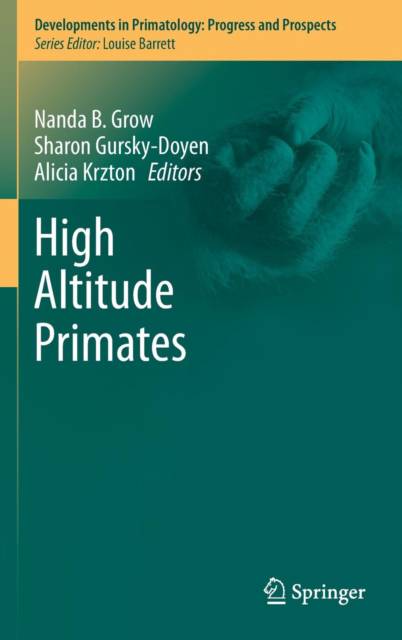
High Altitude Primates
€ 259,45
+ 518 punten
Eenvoudig bestellen
Veilig betalen


Gratis thuislevering vanaf € 30 (via bpost)
Gratis levering in je Standaard Boekhandel
Omschrijving
The basic goal of the volume is to compile the most up to date research on how high altitude affects the behavior, ecology, evolution and conservation status of primates, especially in comparison to lowland populations. Historically, the majority of primate studies have focused on lowland populations. However, as the lowlands have been disappearing, more and more primatologists have begun studying populations located in higher altitudes. High altitude populations are important not only because of their uniqueness, but also because they highlight the range of primate adaptability and the complex variables that are involved in primate evolution. These populations are good examples of how geographic scales result in diversification and/or speciation. Yet, there have been very few papers addressing how this high altitude environment affects the behavior, ecology, and conservation status of these primates.
Specificaties
Betrokkenen
- Uitgeverij:
Inhoud
- Aantal bladzijden:
- 360
- Taal:
- Engels
- Reeks:
- Reeksnummer:
- nr. 44
Eigenschappen
- Productcode (EAN):
- 9781461481744
- Verschijningsdatum:
- 16/11/2013
- Uitvoering:
- Hardcover
- Formaat:
- Genaaid
- Afmetingen:
- 156 mm x 234 mm
- Gewicht:
- 766 g


Alleen bij Standaard Boekhandel
+ 518 punten op je klantenkaart van Standaard Boekhandel
CADEAU

AANGERADEN


Beoordelingen
We publiceren alleen reviews die voldoen aan de voorwaarden voor reviews. Bekijk onze voorwaarden voor reviews.