


- Afhalen na 1 uur in een winkel met voorraad
- Gratis thuislevering in België vanaf € 30
- Ruim aanbod met 7 miljoen producten
- Afhalen na 1 uur in een winkel met voorraad
- Gratis thuislevering in België vanaf € 30
- Ruim aanbod met 7 miljoen producten





€ 150,95
+ 301 punten
Uitvoering
Omschrijving
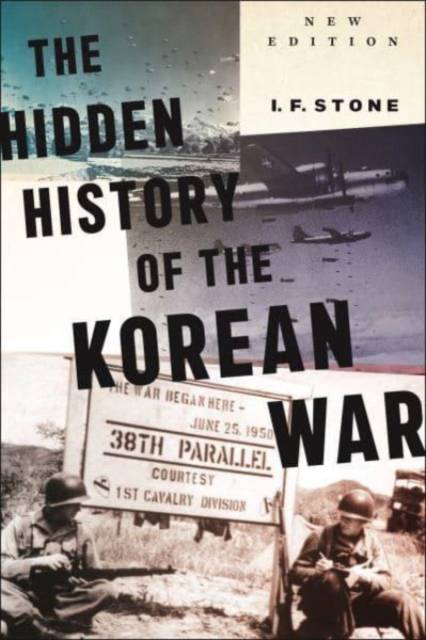
Proxy wars, it seems, are more openly practiced than ever--and yet one of the worst of these was suppressed and "forgotten" even in its own time. At the height of the McCarthy era and the inception of the Cold War, the great journalist I.F. Stone released The Hidden History of the Korean War, a courageous work of investigative journalism that demolished the official story of America's so-called "forgotten war." As the war spiraled to its conclusion, Stone closely analyzed openly available U.S. intelligence narratives on the war's official start, and the actions of key players like John Foster Dulles, General Douglas MacArthur, and Chiang Kai-shek. The result of his investigations was a controversial book that raised questions about the origin of the war, made a case that the U.S. government had manipulated the United Nations, and gave evidence that the U.S. military and South Korean oligarchy dragged out the war by sabotaging peace talks. With a new introduction by Tim Beal and Greg Elich, 70 years after its initial publication The Hidden History of the Korean War remains a powerful dissemination of the 'hidden history' behind the dominant historical narrative, as relevant as ever.
Specificaties
Betrokkenen
- Auteur(s):
- Uitgeverij:
Inhoud
- Aantal bladzijden:
- 408
- Taal:
- Engels
Eigenschappen
- Productcode (EAN):
- 9781685900090
- Verschijningsdatum:
- 1/05/2023
- Uitvoering:
- Hardcover
- Formaat:
- Genaaid
- Afmetingen:
- 140 mm x 216 mm
- Gewicht:
- 635 g


Alleen bij Standaard Boekhandel
+ 301 punten op je klantenkaart van Standaard Boekhandel

Beoordelingen
We publiceren alleen reviews die voldoen aan de voorwaarden voor reviews. Bekijk onze voorwaarden voor reviews.