



- Afhalen na 1 uur in een winkel met voorraad
- In januari gratis thuislevering in België
- Ruim aanbod met 7 miljoen producten
- Afhalen na 1 uur in een winkel met voorraad
- In januari gratis thuislevering in België
- Ruim aanbod met 7 miljoen producten





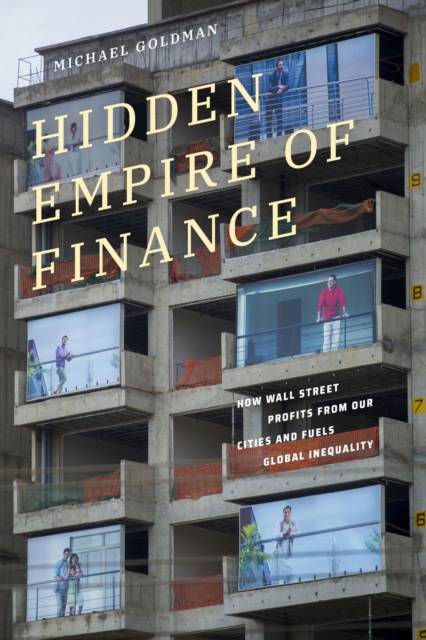
Hidden Empire of Finance
How Wall Street Profits from Our Cities and Fuels Global Inequality
Michael Goldman
Hardcover | Engels
€ 183,45
+ 366 punten
Uitvoering
Omschrijving
Hidden Empire of Finance follows the rise of new global cities, tracing their roots back to the 1970s proliferation of neoliberalism and following their fate in the wake of the 2008 financial collapse. As India, China, and other nations sought to develop urban infrastructures that could compete with western hubs like New York, Paris, and London, large-scale flows of capital intruded into national economies as speculative investment in the growing real estate market. A web of opaque financial products, such as collateralized debt and real estate investment trusts, became alternative vehicles for these investments, resulting in vast networks of public goods and services that are now owned and controlled by major financial firms located oceans away. Michael Goldman shows that speculative urbanism relies on dispossession and the racialization of institutional practices to fuel finance's insatiable appetite for capital, determining the ways cities across the global South and North are governed.
Specificaties
Betrokkenen
- Auteur(s):
- Uitgeverij:
Inhoud
- Aantal bladzijden:
- 328
- Taal:
- Engels
Eigenschappen
- Productcode (EAN):
- 9781478029557
- Verschijningsdatum:
- 3/02/2026
- Uitvoering:
- Hardcover
- Formaat:
- Genaaid
- Afmetingen:
- 152 mm x 229 mm
- Gewicht:
- 612 g


Alleen bij Standaard Boekhandel
+ 366 punten op je klantenkaart van Standaard Boekhandel
Cadeau

AANGERADEN


Beoordelingen
We publiceren alleen reviews die voldoen aan de voorwaarden voor reviews. Bekijk onze voorwaarden voor reviews.