



- Afhalen na 1 uur in een winkel met voorraad
- In januari gratis thuislevering in België
- Ruim aanbod met 7 miljoen producten
- Afhalen na 1 uur in een winkel met voorraad
- In januari gratis thuislevering in België
- Ruim aanbod met 7 miljoen producten





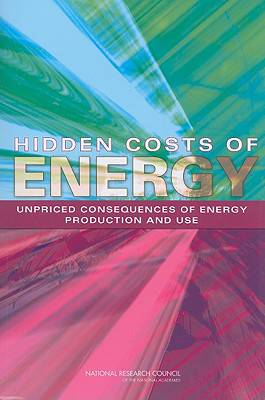
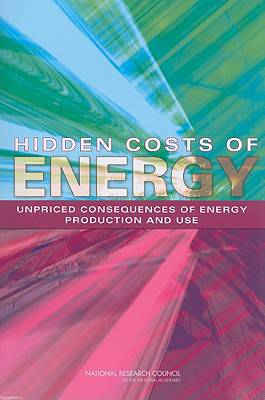
Hidden Costs of Energy
Unpriced Consequences of Energy Production and Use
National Research Council, Policy and Global Affairs, Board on Science Technology and Economic Policy, Division on Engineering and Physical Sciences, Board on Energy and Environmental Systems, Division on Earth and Life Studies, Board on Environmental Studies and Toxicology, Committee on Health Environmental and Other External Costs and B
€ 100,95
+ 201 punten
Omschrijving
Despite the many benefits of energy, most of which are reflected in energy market prices, the production, distribution, and use of energy causes negative effects. Many of these negative effects are not reflected in energy market prices. When market failures like this occur, there may be a case for government interventions in the form of regulations, taxes, fees, tradable permits, or other instruments that will motivate recognition of these external or hidden costs.
The Hidden Costs of Energy defines and evaluates key external costs and benefits that are associated with the production, distribution, and use of energy, but are not reflected in market prices. The damage estimates presented are substantial and reflect damages from air pollution associated with electricity generation, motor vehicle transportation, and heat generation. The book also considers other effects not quantified in dollar amounts, such as damages from climate change, effects of some air pollutants such as mercury, and risks to national security.
While not a comprehensive guide to policy, this analysis indicates that major initiatives to further reduce other emissions, improve energy efficiency, or shift to a cleaner electricity generating mix could substantially reduce the damages of external effects. A first step in minimizing the adverse consequences of new energy technologies is to better understand these external effects and damages. The Hidden Costs of Energy will therefore be a vital informational tool for government policy makers, scientists, and economists in even the earliest stages of research and development on energy technologies.
The Hidden Costs of Energy defines and evaluates key external costs and benefits that are associated with the production, distribution, and use of energy, but are not reflected in market prices. The damage estimates presented are substantial and reflect damages from air pollution associated with electricity generation, motor vehicle transportation, and heat generation. The book also considers other effects not quantified in dollar amounts, such as damages from climate change, effects of some air pollutants such as mercury, and risks to national security.
While not a comprehensive guide to policy, this analysis indicates that major initiatives to further reduce other emissions, improve energy efficiency, or shift to a cleaner electricity generating mix could substantially reduce the damages of external effects. A first step in minimizing the adverse consequences of new energy technologies is to better understand these external effects and damages. The Hidden Costs of Energy will therefore be a vital informational tool for government policy makers, scientists, and economists in even the earliest stages of research and development on energy technologies.
Specificaties
Betrokkenen
- Auteur(s):
National Research CouncilPolicy and Global AffairsBoard on Science Technology and Economic PolicyDivision on Engineering and Physical SciencesBoard on Energy and Environmental SystemsDivision on Earth and Life StudiesBoard on Environmental Studies and ToxicologyCommittee on Health Environmental and Other External Costs and B
- Uitgeverij:
Inhoud
- Aantal bladzijden:
- 506
- Taal:
- Engels
- Reeks:
Eigenschappen
- Productcode (EAN):
- 9780309146401
- Verschijningsdatum:
- 31/12/2010
- Uitvoering:
- Paperback
- Formaat:
- Trade paperback (VS)
- Afmetingen:
- 152 mm x 226 mm
- Gewicht:
- 1065 g


Alleen bij Standaard Boekhandel
+ 201 punten op je klantenkaart van Standaard Boekhandel
Cadeau

AANGERADEN


Beoordelingen
We publiceren alleen reviews die voldoen aan de voorwaarden voor reviews. Bekijk onze voorwaarden voor reviews.