



Je cadeautjes zeker op tijd in huis hebben voor de feestdagen? Kom langs in onze winkels en vind het perfecte geschenk!
- Afhalen na 1 uur in een winkel met voorraad
- Gratis thuislevering in België vanaf € 30
- Ruim aanbod met 7 miljoen producten
Je cadeautjes zeker op tijd in huis hebben voor de feestdagen? Kom langs in onze winkels en vind het perfecte geschenk!
- Afhalen na 1 uur in een winkel met voorraad
- Gratis thuislevering in België vanaf € 30
- Ruim aanbod met 7 miljoen producten





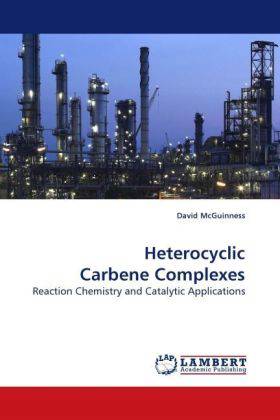
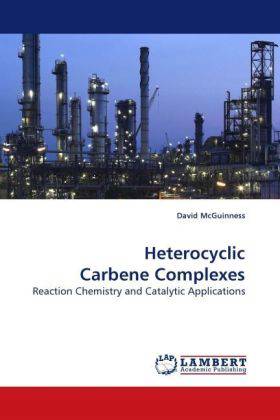
Heterocyclic Carbene Complexes
Reaction Chemistry and Catalytic Applications
David McGuinness
Paperback | Engels
€ 82,45
+ 164 punten
Omschrijving
N-heterocyclic carbenes have become established as efficient ancillary ligands for homogeneous catalysis, and an increasing number of catalytic transformations have been carried out using transition-metal carbene complexes. This book describes the synthesis of a broad range of heterocyclic carbene complexes of transition metals, their fundamental reaction chemistry and their use as catalysts in a number of reactions. Mechanistic studies have been performed in order to gain insight into likely catalytic cycles and the decomposition processes of the complexes. The reductive elimination of carbenes with alkyl, aryl, acyl and hydride groups to give the imidazolium cation was discovered, and it was demonstrated that this reaction represents a serious mode to catalyst deactivation for late transition metals. Some strategies to alleviate this effect have been identified, resulting in the development of highly active catalysts for a number of reactions.
Specificaties
Betrokkenen
- Auteur(s):
- Uitgeverij:
Inhoud
- Aantal bladzijden:
- 172
- Taal:
- Engels
Eigenschappen
- Productcode (EAN):
- 9783838321363
- Verschijningsdatum:
- 2/06/2010
- Uitvoering:
- Paperback
- Afmetingen:
- 152 mm x 229 mm
- Gewicht:
- 259 g


Alleen bij Standaard Boekhandel
+ 164 punten op je klantenkaart van Standaard Boekhandel
CADEAU


Beoordelingen
We publiceren alleen reviews die voldoen aan de voorwaarden voor reviews. Bekijk onze voorwaarden voor reviews.