



Bedankt voor het vertrouwen het afgelopen jaar! Om jou te bedanken bieden we GRATIS verzending (in België) aan op alles gedurende de hele maand januari.
- Afhalen na 1 uur in een winkel met voorraad
- In januari gratis thuislevering in België
- Ruim aanbod met 7 miljoen producten
Bedankt voor het vertrouwen het afgelopen jaar! Om jou te bedanken bieden we GRATIS verzending (in België) aan op alles gedurende de hele maand januari.
- Afhalen na 1 uur in een winkel met voorraad
- In januari gratis thuislevering in België
- Ruim aanbod met 7 miljoen producten





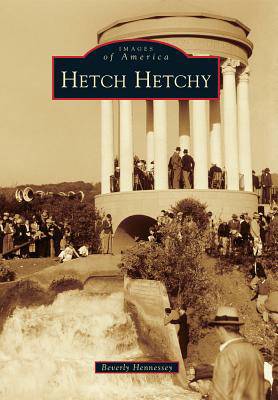
Omschrijving
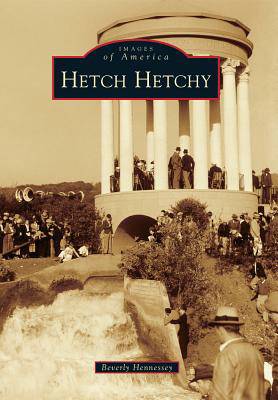
When water from the Sierra Nevada reached the San Francisco Bay area in 1934, it was greeted by a national celebration after two decades of grueling construction. The Hetch Hetchy Project evolved from a long search for a reliable source of water for San Francisco that began after the 1906 Great Earthquake. Prior to the earthquake, San Francisco had burned to the ground repeatedly due to the lack of water to fight fires. Studies of 14 different sources led to the design of an engineering marvel that conveys water using gravity across California via a complex system of tunnels, reservoirs, pipelines, powerhouses, treatment plants, and dams. But before the Hetch Hetchy Project broke ground, controversy roiled over the project. Finally, the Raker Act was passed by Congress in 1913 and signed by Pres. Woodrow Wilson to permit the use of the rights-of-way for the project. Today, this system serves some of the highest-quality water in the nation to 2.4 million people.
Specificaties
Betrokkenen
- Auteur(s):
- Uitgeverij:
Inhoud
- Aantal bladzijden:
- 128
- Taal:
- Engels
- Reeks:
Eigenschappen
- Productcode (EAN):
- 9780738593227
- Verschijningsdatum:
- 13/08/2012
- Uitvoering:
- Paperback
- Formaat:
- Trade paperback (VS)
- Afmetingen:
- 163 mm x 231 mm
- Gewicht:
- 294 g


Alleen bij Standaard Boekhandel
+ 69 punten op je klantenkaart van Standaard Boekhandel
SOLDEN


Beoordelingen
We publiceren alleen reviews die voldoen aan de voorwaarden voor reviews. Bekijk onze voorwaarden voor reviews.