


- Afhalen na 1 uur in een winkel met voorraad
- Gratis thuislevering in België vanaf € 30
- Ruim aanbod met 7 miljoen producten
- Afhalen na 1 uur in een winkel met voorraad
- Gratis thuislevering in België vanaf € 30
- Ruim aanbod met 7 miljoen producten





€ 38,45
+ 76 punten
Uitvoering
Omschrijving
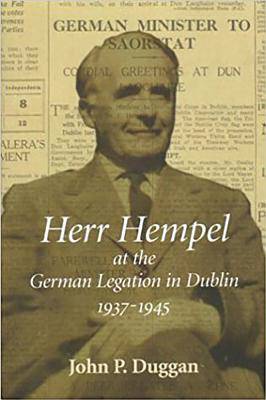
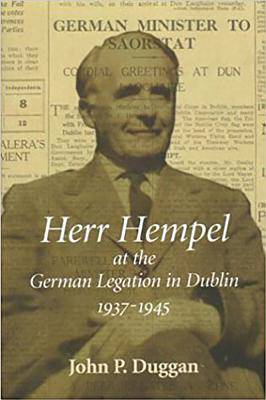
This book uniquely focuses on Dr Edward Hempel, German Minister in Dublin from 1937 to 1945, covering the period of the Second World War known in Ireland as 'the Emergency'. It reveals the difficulties experienced by a career diplomat like Hempel of the so-called 'old school' in implementing Nazi foreign policy as enunciated by Ribbentrop, the erratic German Foreign Minister. It throws new light on Third Reich diplomacy which lacked unity and was subject to inputs from a proliferation of competing maverick agencies. Thus, after the fall of France, de Valera found that even the usual staid Hempel was 'unbearable'. De Valera, the then Taoiseach, however, not only outmaneuvered Hempel but he also outboxed the 'Paddy-factored' British. He realized, however, that words alone would not deter Hitler. His anti-partition rhetoric therefore remained anti-British but his actions continued to show 'a certain consideration for Britain'. He did not accept that absolute neutrality was a practical proposition, and he interpreted 'our traditional neutrality' pragmatically. He made no bones about calling it 'ad hoc' and in asserting that in a future war, neutrality for a small strategically located island like Ireland could not work. The author, having accessed Hempel's own words in German telegrams from the time, in entirely original research in the British Foreign Office, throws valuable new light on the subject of Ireland's neutrality. He also exposes de Valera's theatrical condolences on the death of Hitler, probably intended more as a retaliatory gesture to the ineffable American Minister, David Gray, than an expression of genuine sorrow, and how it went badly wrong and turned into a complete fiasco. This book completes the picture of the relationship between the Dublin Legation and Berlin and its effects on diplomatic intercourse between Germany and Ireland and consequently between Ireland and Britain.
Specificaties
Betrokkenen
- Auteur(s):
- Uitgeverij:
Inhoud
- Aantal bladzijden:
- 328
- Taal:
- Engels
Eigenschappen
- Productcode (EAN):
- 9780716527572
- Verschijningsdatum:
- 1/05/2003
- Uitvoering:
- Paperback
- Formaat:
- Trade paperback (VS)
- Afmetingen:
- 155 mm x 231 mm
- Gewicht:
- 544 g


Alleen bij Standaard Boekhandel
+ 76 punten op je klantenkaart van Standaard Boekhandel
Cadeau

AANGERADEN


Beoordelingen
We publiceren alleen reviews die voldoen aan de voorwaarden voor reviews. Bekijk onze voorwaarden voor reviews.